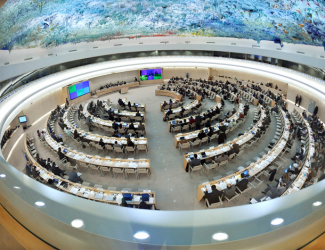
The Human Rights Council (HRC) is the key intergovernmental body within the United Nations system responsible for the promotion and protection of all human rights around the globe. It holds three regular sessions a year: in March, June and September. The Office of the UN High Commissioner for Human Rights (OHCHR) is the secretariat for the HRC.
The HRC works by:
Debating and passing resolutions on global human rights issues and human rights situations in particular countries
Examining complaints from victims of human rights violations or activist organizations on behalf of victims of human rights violations
Appointing independent experts (known as “Special Procedures”) to review human rights violations in specific countries and examine and further global human rights issues
Engaging in discussions with experts and governments on human rights issues
Assessing the human rights records of all UN Member States every four and a half years through the Universal Periodic Review
AWID works with feminist, progressive and human rights partners to share key knowledge, convene civil society dialogues and events, and influence negotiations and outcomes of the session.
With our partners, our work will:
◾️ Monitor, track and analyze anti-rights actors, discourses and strategies and their impact on resolutions
La participación de lxs afiliadxs de AWID en la CSW61
Los Estados miembros al igual que activistas y organizaciones por los derechos de las mujeres se reunirán en la sede central de las Naciones Unidas, en Nueva York, para la sexagésima primera sesión de la Comisión de la Condición Jurídica y Social de las Mujeres del 13 al 24 de marzo para abordar el tema «empoderamiento económico de las mujeres» en el contexto del Objetivo 5 para el Desarrollo Sostenible.
Aunque nos dará mucho gusto reunirnos en persona con aquellxs de ustedes que van a estar en Nueva York, también queremos interactuar con todxs aquellxs que no podrán asistir a la CSW y, en la medida que nos sea posible, amplificar sus voces en los espacios relevantes.
A continuación encontrarán información sobre las diferentes maneras en que pueden interactuar con AWID en relación con la CSW:
¡Participa en una toma del poder artística!
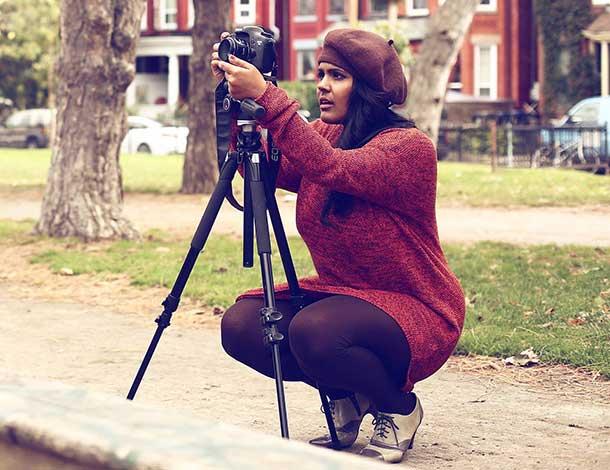
Nos complace anunciar que Nayani Thiyagarajah —afiliada de AWID— asistirá a la CSW este año y estará a cargo de la cuenta de Instagram de AWID. Nayani estará presente y disponible en Nueva York, para conectarse con otrxs afiliadxs, y posiblemente coordinar una presentación en nuestra cuenta de Instagram; también explorará la posibilidad de incluir a algunxs afiliadxs de AWID en un cortometraje sobre el tema «Lo personal es político», una historia de la participación de Nayani en la CSW de este año.
Nayani Thiyagarajah
¿Quién es Nayani?
Nayani Thiyagarajah es una realizadora, productora y escritora que se dedica a crear historias para la pantalla grande. Nayani es hija de la diáspora tamil, vive en Toronto y ha trabajado por más de diez años en las artes y la cultura. Su primer largometraje independiente Shadeism: Digging Deeper (2015) tuvo su estreno mundial en el Festival Internacional de Cine de Zanzíbar 2015, donde ganó un premio especial del jurado. Nayani realizó recientemente la película [RE]FRAME en asociación con la productora Camaro West, una compañía de producción con sede en Atlanta y Toronto, que se enfoca en reformular las historias de las personas negras, indígenas y otras personas de color a través de narraciones para la pantalla grande.
Hablando más seriamente, habría que señalar que Nayani se ríe de una manera extraña, es muy torpe, y su cabeza está siempre en las nubes. Nayani se siente extremadamente bendecida de poder crear historias para el cine, de ganarse la vida jugando a inventar historias y por encima de todo, Nayani cree en el amor.
(La misma Nayani nos envío estas líneas para su biografía)
¿Te interesaría conocer a Nayani y tener la posibilidad de ser incluidx en su película?
Envíanos un email dirigido a membership@awid.org con la línea de asunto «CSW: toma del poder artística»
Antes del 13 de marzo de 2017
Incluye tu nombre completo y tu país.
¿No puedes asistir? ¡Hazlo saber!
Si no puedes asistir a la CSW61 debido a una prohibición de viaje, ya sea impuesta por el gobierno de Trump o por tu propio gobierno, por favor comparte tu historia con nosotrxs.
Envíanos mensajes que quieres que sean escuchados en los espacios de las Naciones Unidas en lo que respecta al financiamiento, el impacto del restablecimiento de la Ley Mordaza Global y la necesidad de luchar en contra de todos los tipos de fundamentalismos religiosos. Puedes enviar tus mensajes en los siguientes formatos:
Video: Que no dure más de dos minutos y por favor envíalo a través de una carpeta de intercambio de archivos (por ejemplo, dropbox, google drive, etc.)
Audio: Que no dure más de dos minutos y por favor envíalo a través de una carpeta de intercambio de archivos (por ejemplo, dropbox, google drive, etc.)
Imagen: puedes enviarnos una foto o un cartel con tu mensaje.
Texto: Que no sea más largo de 200 palabras y por favor envíalo a través de un mail o en un documento Word.
Comparte tu mensaje con nosotrxs
Envíanos un email dirigido a membership@awid.org con la línea de asunto «CSW: ¡Hazlo saber!»
Antes del 15 de marzo de 2017
Reúnete con otrxs afiliadxs en la CSW61
Algunxs afiliadxs de AWID nos han dicho que les parece muy importante poder conectarse con otrxs afiliadxs en la CSW. En un espacio de incidencia tan grande, es útil conectarse con otrxs activistas que trabajan en temas similares, o que provienen del mismo país o región. Al reconocer la importancia de estas conexiones para la construcción de movimientos.
¿Te gustaría reunirte con otrxs afiliadxs de AWID mientras estás en Nueva York?
Envíanos un email dirigido a membership@awid.org con la línea de asunto «CSW: AWID Afiliadxs»
NOTE: Por favor envíanos tu nombre completo, país de origen y déjanos saber si te parece bien que compartamos tu dirección de mail con otrxs afiliadxs interesadxs en reunirse en la CSW.
Toma una fotografía
Si asistes a la CSW, nos gustaría ver lo que sucede a través de tus ojos. Puedes capturar un momento que, en tu opinión, hable de la energía en el espacio del evento, ya sea dentro o fuera de la sede. Tenemos pensado publicar algunas de tus «imágenes» en nuestros canales de redes sociales y compartirlas en awid.org.
Puedes enviarnos fotografías:
a color o en blanco y negro
un título (si lo deseas) y
una leyenda (de 100 palabras como máximo) sobre la historia que cuenta esa imagen.
Incluye además:
tu nombre completo
país de origen
infórmanos si podemos publicar en parte o por completo la información que nos hayas compartido.
Envía tus imágenes
Envíanos un email dirigido a membership@awid.org con la línea de asunto «CSW: fotografías»
Durante toda la duración de la CSW o poco después de haber concluido, hasta el martes 28 de marzo.
Nous vivons dans un monde où la destruction de la Nature alimente notre économie mondiale actuelle.
Snippet - GenderJobs.org
GenderJobs.org:This is a platform with a comprehensive list of job opportunities to work on gender equality and LGBTQI+ rights, curated by gender professionals and intersectional feminists who intimately know the sector and are extremely passionate about supporting other gender professionals and anyone who is aspiring to become one! (source: https://genderjobs.org/about)
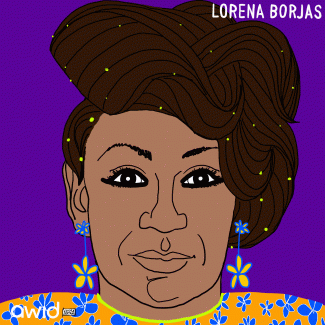
Lorena Borjas, una mujer trans latina y activista, vivía y trabajaba en el barrio de Jackson Heights de Queens, en la ciudad de Nueva York. En esas calles, cuidó de su comunidad durante años, defendiendo los derechos de las personas trans e inmigrantes, apoyando a lxs sobrevivientes del tráfico humano y del abuso, y haciendo campaña por los derechos de lxs trabajadorxs sexuales y de las personas que viven con VIH y SIDA.
Lorena era fuerte e incansable en su lucha por apoyar, defender y proteger a quienes son más marginalizadxs y discriminadxs por la transfobia, la misoginia y el racismo.
«Ella nos empujaba a brillar auténticamente, a convertirnos en un grito de subversión que dice “Aquí estoy, y merezco felicidad también”.» - Cecilia Gentili, activista trans amiga de Lorena
Luego de haber enfrentado ella misma numerosos traumas y dificultades como mujer trans inmigrante y víctima de tráfico humano, recabó conocimientos y memoria emocional de la fuente de sus propias experiencias para ayudar a construir y fortalecer la comunidad de la cual era parte, y que era parte de ella. Algunas de las formas en que llevó esto a cabo fue organizando y movilizando apoyo, que abarcaba desde proveer preservativos y conectar a las mujeres trans con distintos servicios sociales, hasta armar una clínica para el testeo de VIH en su propia casa.
«Era un alma tan bella que ayudaba a otrxs, aun cuando su propio camino era difícil y doloroso como inmigrante, como inmigrante trans. Creía que la comunidad trans necesitaba amor, aceptación, y compasión, y lo daba todo.» - Luchia Dragosh, supervisora de producción de QPTV de un documental sobre Lorena
En sus más de 25 años de activismo, también fundó con Chase Strangio (abogadx y activista por los derechos trans) el Lorena Borjas Community Fund. Este fondo ayuda a lxs diferentes integrantes de su comunidad (y en especial a las personas trans) que lidian con problemas de inmigración, para evitar el ciclo de arresto-cárcel-deportación.
Lorena falleció en marzo de 2020 por complicaciones derivadas del COVID-19.
Su enorme y hermoso legado será llevado adelante a través de las calles de Queens por la red y la comunidad que ella ayudó a crear.
« Continuaremos su trabajo desde donde ella lo dejó, un trabajo que es esencial para el bienestar de “mis pájaras”, como llamaba Lorena a las chicas trans de Queens que protegía bajo su ala.» - Cecilia Gentili
Tributos:
«Lorena nos trajo luz, cuando atravesábamos tiempos muy oscuros aquí en Nueva York. Nos trajo luz cuando tuvimos que enfrentar la epidemia del crack, cuando tuvimos que enfrentar la crisis del SIDA, cuando tuvimos que enfrentar los cambios en las políticas de inmigración.» - Cristina Herrera, fundadora y CEO de Translatina Network y amiga de Lorena
«Lorena ha hecho más que nadie que yo conozca para arrojar luz sobre la epidemia del tráfico en las comunidades transgénero y para ayudar a otras mujeres trans a escapar de la explotación.» - Lynly Egyes, representante de Borjas en nombre del Transgender Law Center
Kunyit Asam : Les racines de l’amour et de la résilience
par Prinka Saraswati
Les cycles menstruels sont généralement d’une durée de 27 à 30 jours. Pendant cette période, les règles elles-mêmes ne durent que 5 à 7 jours. L’épuisement, les sautes d’humeur et les crampes sont le résultat de l’inflammation qui se produit alors. (...)
< illustration : « Mouvement féministe », Karina Tungari
Body
Overview
This bibliography intends to contribute to the desire for learning and engagement identified by activists in the Middle East and North Africa region when reflecting on the aftermath of fast unfolding transitions in the region. Such transitions, while specific to the context of MENA, are not unique in their occurrences around the world. Experiences and practices of feminists from around the world engaged in similar, even if not identical, struggles towards the democratization of their countries with a gendered lens and a feminist politics constitute an important knowledge bank that activists can draw upon, learn from, and engage with. This resource mapping aims to fill the gap realized in various convenings and conversations of a lack of information sharing and knowledge bridging among feminists across the regions that experienced similar uprisings; particularly along south-south and east-south lines.
This publication represents a research mapping of key resources, publications and materials on transitions to democracy and women’s rights in different countries of the world that have undergone such processes, such as: Indonesia, Chile, South Africa, Nepal, Mexico, Argentina, Poland, Ukraine, as well as within the Middle East and North Africa (MENA). It provides bibliographic information and short summaries of resources which succinctly identify the contextual changes and challenges facing women in those particular transitional moments, as well as clearly delineates the ways in which women’s rights activists sought to confront those challenges and what lessons were learned.
We hope that this collection of ideas, research, analysis and experiences provides the kind of rich ingredients needed to create new recipes for confronting old and new challenges. By sharing these texts, our goal is to make links across borders, expand possibilities and knowledge, and invite debate, reflection, and inspiration for women’s rights organizations and activists in the MENA region. While every moment and space has its own unique flavor and history, highlighting connections to similar challenges and aspirations allows us all to bring things in conversation with one another, imagine a new vantage point into a problem, and increase our sense of belonging and purpose and thus our capacity to stay strong in the face of the seemingly impossible. It is the collective strength of a movement that gives it the power to create change. The goal with this publication is not that one specific text will necessarily help illuminate new solutions, but that the combined knowledge and analysis from a variety of sources will provide readers with an opportunity to expand their horizons and foster connections. In our small way, we hope to contribute to furthering the democratization of knowledge, and supporting women’s rights movements in the MENA to continue building an inclusive transition process that will result in advancements of social justice and gender equality.
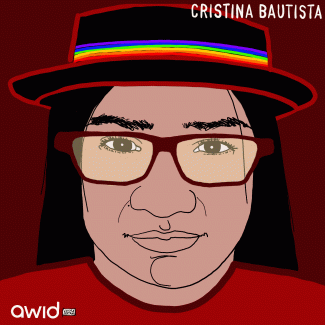
« Si nous nous taisons, ils nous tuent, et si nous parlons [ils nous tuent] aussi. Alors parlons. » - Cristina Bautista, 2019
Cristina Bautista était membre de la communauté autochtone du peuple Nasa, qui vit dans la région nord du Cauca en Colombie. Elle participait à la résistance en tant que leader, défenseuse des droits fonciers, travailleuse sociale et gouverneure de la réserve autochtone Nasa de Tacueyó.
Défenseuse infatigable des droits du peuple Nasa, Cristina s’est exprimée haut et fort contre la violence à l’égard de sa communauté. Dans un discours devant les Nations Unies, elle appelait à protéger les vies des femmes autochtones et à les impliquer dans différents domaines de la vie. En 2017, Cristina était membre du Bureau des Nations Unies pour les droits humains des personnes autochtones. Le Fonds de contributions volontaires des Nations Unies pour les populations autochtones lui a octroyé une subvention en 2019.
« J’aimerais mettre en lumière la situation actuelle du peuple autochtone en Colombie, le meurtre de leaders autochtones, la répression de la contestation sociale. Au lieu d’aider, l’accord de paix a renforcé la guerre et l’exploitation de territoires sacrés en Colombie… Actuellement, nous travaillons en tant que femmes, dans presque toutes les nations autochtones, à un avenir meilleur pour nos familles. Je ne veux pas voir plus de femmes vivre dans ces conditions en milieu rural. Il nous faut des opportunités qui permettent aux femmes autochtones de participer à la vie politique, à l’économie, à la société et à la culture. J’acquiers une réelle force aujourd’hui, en voyant toutes ces femmes ici, et en voyant que je ne suis pas seule. » - Cristina Bautista, 2019
Cristina a été assassinée le 29 octobre 2019, ainsi que quatre autres membres de la garde autochtone désarmée, dans une attaque potentiellement menée par des membres de « Dagoberto Ramos », un groupe dissident FARC.
D’après Global Witness, « le nombre d’assassinats de leaders communautaires et sociaux·les a terriblement augmenté en Colombie au cours de ces dernières années ».
« La communauté nasa a prévenu à maintes reprises les autorités au sujet des menaces qui pèsent sur leur sécurité. Malgré les efforts déployés par les gouvernements colombiens successifs, les peuples autochtones continuent de faire face à d'importants risques, surtout les dirigeants communautaires ou religieux comme Cristina Bautista.» - Point presse des Nations Unies, 1er novembre 2019
Voulez-vous vous inspirer des stratégies de résistance créatives des féministes du monde entier ? Souhaitez-vous découvrir des initiatives féministes qui nous montrent comment nous pouvons tou.te.s vivre dans un monde plus juste ? Voulez-vous en savoir plus sur les modèles de soins et de guérison féministes à apporter à votre propre communauté ? Est-ce un oui retentissant que nous entendons ? OUI!
Alors consultez Crear | Résister | Transform : un festival pour les mouvements féministes. Ce festival s'est déroulé virtuellement tout au long du mois de septembre 2021 sur toutes les plateformes de l'AWID, et vous pouvez désormais en faire l'expérience à votre rythme.
Les sessions ci-dessous sont pour vous et tou.te.s les incroyables militant.e.s féministes et de justice sociale que vous connaissez. Rassemblons-nous pour partager nos stratégies de résistance, co-créer de la magie féministe et transformer ce monde ensemble.
Administrative Office
For administrative purposes you can contact our office at:
+1 416 594 3773
192 Spadina Avenue, Suite 300 | Toronto, ON, M5T 2C2 | Canada
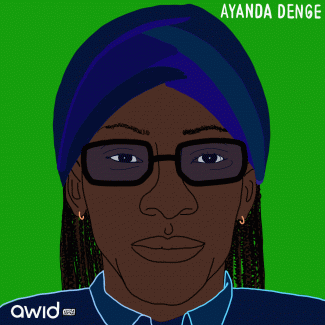
“I am a wonder… Therefore I have been born by a mother! As I begin to stutter, my life has been like no other…” - Ayanda Denge (read the whole poem below)
Ayanda Denge was a transwomxn, sex worker, activist, poet. She was Xhosa, from Port Elizabeth in the Eastern Cape of South Africa. After travelling through different cities of the country, she moved to Cape Town.
As a committed and fervent social justice activist, she fought for the rights of sex workers, trans persons, and for those of people living with HIV and AIDS. She was also a motivational speaker on cancer awareness, and campaigned for affordable and social housing, especially for poor and working-class people. Ayanda stood tall as a mountain against different and often abusive faces of discrimination.
“Being transgender is not a double dose, but it’s a triple dose of stigmatisation and discrimination. You are discriminated against for your sexual identity, you are discriminated against for your work, and you are discriminated against for your HIV status.” - Ayanda Denge, 2016
She was acting chairperson at the Sex Workers Education and Advocacy Taskforce (SWEAT) and also worked as an Outreach Coordinator at Sisonke, a national sex workers’ movement in South Africa.
“From us, from our regional head office, to SWEAT where I sit on the board, to Sisonke, a movement of sex workers in Cape Town. We all amalgamate, we have one cry and it’s a cry that is recognised internationally by international sex workers. We want decriminalisation of sex work.” - Ayanda Denge, 2016
She lived in the Ahmed Kathrada House, which was being occupied by the Reclaim the City campaign for social housing. In 2018, Ayanda was elected house leader. On 24 March 2019, she was stabbed to death in her room. The year prior, another resident was killed.
Reclaim the City draws a connection between the safety of the house residents and the Provincial Government withholding electricity and the human right to water:
“We cannot separate the safety of women and LGBTQI people living in the occupation from the refusal by the Western Cape Provincial Government to turn the electricity and water back on at Ahmed Kathrada House.
The house is pitch black at night. We need lights to keep each other safe. It is as if the Province wishes to punish poor and working class people, whose only crime is that we needed a home. While they may disagree with our reasons for occupying, they should be ashamed of themselves for putting politics before the safety and dignity of residents of this city.
Rest in Peace comrade Ayanda Denge, we shall remember you as we carry the torch forward in the struggle for decent well-located housing.”
Poem by Ayanda:
I am a wonder…
Therefore I have been born by a mother!
As I begin to stutter,
My life has been like no other.
Born in pain
Nourished by rain
For me to gain
Was living in a drain.
As I shed a tear
I stand up and hold my spear.
Voices echo, do not fear
Challenges within a year,
Challenges of hurt are on my case;
Community applauds as they assume I have won my race;
But in reality my work strides at a tortoise pace;
On bended knee I bow and ask for grace.
For the Lord
Is my Sword;
To remind humanity
That he provides sanity.
Why Lord am I this wonder?
The Lord answers me with the rain and thunder,
For questioning my father
Who has in the book of lambs
A name called Ayanda.
From the streets my life was never sweet
The people I had to meet;
At times I would never greet;
Even though I had to eat;
I’d opt to take a bow
Rather than a seat
“For my life represents that of a lotus flower, that out of murky and troubled waters I bloomed to be beautiful and strong...” - Ayanda Denge, watch and listen
Tributes:
“Ayanda, I want to say to you that you are still a survivor, in our hearts and minds. You are gone but you are everywhere, because you are love. How beautiful it is to be loved, and to give love. And Ayanda, that is the gift that you have given us. Thank you for all of the love, we truly did need you. Going forward, I promise to you that we will all commit to continue with the struggle that you have dedicated so much energy and your time to. And we will commit ourselves to pursuing justice in this awful ending to your life.” - Transcript of a message, in a farewell Tribute to Ayanda
“Ayanda was an activist by nature. She knew her rights and would not mind fighting for the rights of others. For me, it was no shock that she was involved with many organizations and it was known that she was a people’s person. It did not need to be the rights of LGBTI but just the rights of everyone that she stood for.” - Ayanda’s sister