Philippe Leroyer | Flickr (CC BY-NC-ND 2.0)

Women Human Rights Defenders

WHRDs are self-identified women and lesbian, bisexual, transgender, queer and intersex (LBTQI) people and others who defend rights and are subject to gender-specific risks and threats due to their human rights work and/or as a direct consequence of their gender identity or sexual orientation.

WHRDs are subject to systematic violence and discrimination due to their identities and unyielding struggles for rights, equality and justice.

The WHRD Program collaborates with international and regional partners as well as the AWID membership to raise awareness about these risks and threats, advocate for feminist and holistic measures of protection and safety, and actively promote a culture of self-care and collective well being in our movements.


Risks and threats targeting WHRDs  

WHRDs are exposed to the same types of risks that all other defenders who defend human rights, communities, and the environment face. However, they are also exposed to gender-based violence and gender-specific risks because they challenge existing gender norms within their communities and societies.

By defending rights, WHRDs are at risk of:

  • Physical assault and death
  • Intimidation and harassment, including in online spaces
  • Judicial harassment and criminalization
  • Burnout

A collaborative, holistic approach to safety

We work collaboratively with international and regional networks and our membership

  • to raise awareness about human rights abuses and violations against WHRDs and the systemic violence and discrimination they experience
  • to strengthen protection mechanisms and ensure more effective and timely responses to WHRDs at risk

We work to promote a holistic approach to protection which includes:

  • emphasizing the importance of self-care and collective well being, and recognizing that what care and wellbeing mean may differ across cultures
  • documenting the violations targeting WHRDs using a feminist intersectional perspective;
  • promoting the social recognition and celebration of the work and resilience of WHRDs ; and
  • building civic spaces that are conducive to dismantling structural inequalities without restrictions or obstacles

Our Actions

We aim to contribute to a safer world for WHRDs, their families and communities. We believe that action for rights and justice should not put WHRDs at risk; it should be appreciated and celebrated.

  • Promoting collaboration and coordination among human rights and women’s rights organizations at the international level to  strengthen  responses concerning safety and wellbeing of WHRDs.

  • Supporting regional networks of WHRDs and their organizations, such as the Mesoamerican Initiative for WHRDs and the WHRD Middle East and North Africa  Coalition, in promoting and strengthening collective action for protection - emphasizing the establishment of solidarity and protection networks, the promotion of self-care, and advocacy and mobilization for the safety of WHRDs;

  • Increasing the visibility and recognition of  WHRDs and their struggles, as well as the risks that they encounter by documenting the attacks that they face, and researching, producing, and disseminating information on their struggles, strategies, and challenges:

  • Mobilizing urgent responses of international solidarity for WHRDs at risk through our international and regional networks, and our active membership.

Related Content

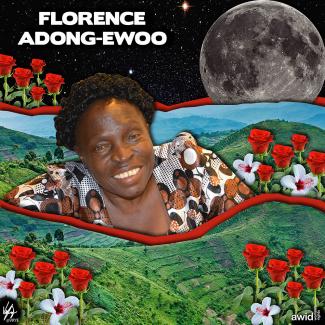
Florence Adong-Ewoo

Florence was a disability rights activist who worked with several disabled women’s organizations in Uganda.

She also held the position of Chairperson of the Lira District Disabled Women Association, as well as the Lira District Women Councilors’ caucus. Trained as a counsellor for persons with disabilities and parents of children with disabilities, she supported many projects that called for greater representation of persons with disabilities.

She died of a motorcycle accident. 


Florence Adong-Ewoo, Uganda

I am a young feminist. How can I engage in AWID’s work?

Young feminist activists are at the heart of AWID’s work.

In fact, 38% of our members are under the age of 30.

We believe that young feminists are both the present and the future of the struggle for women’s rights. We promote young leaders in the global women’s rights movement and our Young Feminist Activism program cuts across all aspects of our work.

At the same time, by defining young feminist activists as one of our Priority Areas, we contribute new analysis to current debates and ensure that young feminist activists are able to articulate their priorities and voice their concerns.

Find out more about our Young Feminist Activism Program

Как я могу получить доступ к опросу?

Опрос доступен на KOBO – открытой платформе для сбора, управления и визуализации данных. Чтобы принять участие, просто перейдите по ссылке здесь. Следуйте инструкциям, чтобы пройти опрос.

CFA 2023 - Submit Button - EN

Intro to tweets snippet ES

Como lo demuestran estos tuits, resulta que sextear como feminista es sexy, divertido – y caliente – todo eso sin perder de vista el compromiso con la equidad y la justicia.

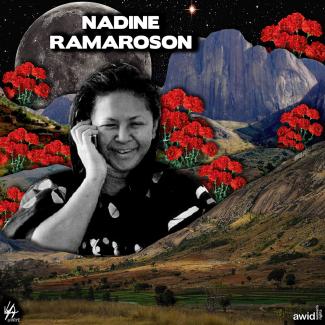
Nadine Ramaroson

Nadine fue un ejemplo para muchxs por su trabajo en apoyo de las mujeres y lxs más vulnerables de su comunidad. Estaba comprometida con ayudar a l pobres, especialmente a las personas sin techo. 

Aunque su muerte se informó como accidente, la familia Ramaroson, encabezada por su padre, André Ramaroson, llevó adelante una investigación que arrojó evidencias de que había sido asesinada. Se informó que había muerto en un accidente fatal ocurrido entre Soanierano - Ivongo y Ste Marie, una historia que fue desmentida por su familia. Ella había recibido numerosas amenazas de muerte por sus audaces posiciones políticas. Su caso todavía está en la corte de Antananarivo (la capital de Madagascar).


Nadine Ramaroson, Madagascar

Estoy escribiendo un artículo de investigación, ¿puede AWID ayudarme?

AWID ofrece una amplia gama de recursos para ayudarte en tu investigación

AWID proporciona una gran cantidad de recursos que pueden ayudarte en tu investigación. Te invitamos a explorar las Áreas Prioritarias y la sección «Infórmate» de nuestro sitio web, o que utilices la función de búsqueda para encontrar información sobre los temas específicos que estás investigando. .

Recomendamos especialmente que explores nuestro manual «¿Dónde está el dinero para los derechos de las mujeres» (WITM). Este manual es una demostración política y práctica de los recursos y procesos necesarios para llevar a cabo una sólida investigación-acción.

Explora el manual «¿Dónde está el dinero» (WITM).

O inquérito WITM é acessível para pessoas com deficiência?

Sim, é acessível para pessoas com uma variedade diversificada de capacidades auditivas, de movimento, visuais e cognitivas.

2023 - Hybrid like never before: in person - ar

هجين (hybrid) كما لم يحدث من قبل

لأول مرة، يعرض منتدى جمعية حقوق المرأة في التنمية ثلاثة طرق للمشاركة

الحضور الشخصي

سيجتمع المشاركون/ات في بانكوك، تايلاند. ننتظر بفارغ الصبر!

#3 - Sexting like a feminist Tweets Snippet FR

Tout le monde apprécie les intentions clairement exprimées.

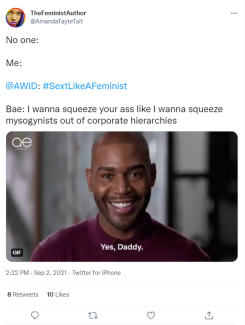
Image of a tweet with a gif of a man saying "Yes daddy". Text says: No one: (blank). Me: Bae I wanna squeeze your ass like I wanna squeeze misogynists out of corporate hierarchies.

Personne :
 
Moi :
 
@AWID : #SextLikeAFeminist
 
Bae : Je veux te presser le cul aussi fort que je voudrais éjecter les misogynes hors des hiérarchies des entreprises.

Sainimili Naivalu

"He dado testimonio de la discriminación que vi en las calles, he sufrido burlas y abusos verbales ahí. También he hecho numerosas amistades y he conocido a mucha gente. Puede que haya peligros ahí fuera, pero soy una  sobreviviente y aquí es donde estaré por ahora." - Sainimili Naivalu

Sainimili Naivalu fue una feminista y activista por los derechos de las personas con discapacidades de la aldea de Dakuibeqa en la isla de Beqa, Fiji.

Exigió a las autoridades políticas y a otras partes interesadas que proporcionaran políticas y servicios favorables a la movilidad de las personas con discapacidad, como la construcción de rampas en pueblos y ciudades para aumentar su accesibilidad. Sin embargo, las barreras físicas no fueron las únicas que Sainimili se esforzó por cambiar. Por experiencia propia, sabía que era necesario que se produjeran cambios más complejos en las esferas sociales y económicas. Muchos de los retos a los que se enfrentan las personas con discapacidad tienen su origen en actitudes que llevan a la discriminación y al estigma.

Como sobreviviente y luchadora, Sainimili contribuyó a la creación conjunta de realidades feministas que fomentasen la inclusión y cambiasen las actitudes hacia las personas con discapacidad. Como afiliada a la Asociación de Lesiones de la Espina Dorsal de Fiji (SIA, por sus siglas en inglés) y a través del proyecto del Foro para Personas con Discapacidades del Pacífico “Pacífico Habilita”, Sainimili asistió a la formación de la Organización Internacional del Trabajo "Inicie su Negocio" en Suva, lo que le permitió transformar sus ideas en su propio negocio. Fue emprendedora en el puesto 7 del mercado de Suva, donde ofrecía servicios de manicura,  y también se encargaba del puesto del mercado de las mujeres de SIA, donde vendía artesanías, sulus y otros objetos. El plan de Sainimili era expandir su negocio y convertirse en una importante empleadora de personas con discapacidad.

Además de su activismo, también fue medallista y campeona juvenil de tenis de mesa.

Sainimili era única, con una personalidad vivaz. Siempre podías saber si Sainimili estaba en una habitación porque su risa y sus historias eran los primero que notabas. - Michelle Reddy

Sainimili falleció en 2019.

2005: le second Dialogue de haut niveau a lieu

Second Dialogue de haut niveau sur le financement du développement

  • Organisé les 27 et 28 juin 2015, le second Dialogue de haut niveau sur le financement du développement,  avait pour thème Le Consensus de Monterrey : état de la mise en œuvre et responsabilités futures.
  • Outre les six traditionnelles tables rondes portant   sur chacun des chapitres du Consensus de Monterrey, un dialogue interactif officieux a été instauré entre différentes parties prenantes, parmi lesquelles des groupes de défense des droits des femmes.
  • Les nations « en développement » ont lancé un appel à prendre en compte les défis mondiaux aussi bien que les possibilités et besoins locaux dans les interactions avec les différents groupes sociaux ­–notamment les femmes, les jeunes, les personnes handicapées, etc. – sur les thèmes identifiés dans le Consensus de Monterrey. 

كم من الوقت تستغرق تعبئة الاستطلاع؟

الوقت المقدّر لتعبئة الاستطلاع هو 30 دقيقة.

CFA 2023 - what you need to know - ar

ما الذي تحتاج/ين معرفته؟

  • سيتم إعطاء الأولوية للأنشطة التي تسهل وتشجع الاتصال والتفاعل بين المشاركين/ات.
  • إذا كان من الممكن إجراء نشاطك عبر الإنترنت أو بشكل هجين (ربط المشاركين/ات في الموقع وعبر الإنترنت)، يرجى النظر في كيفية توليد مشاركة حقيقية ومشاركة نشطة من المشاركين/ات عبر الإنترنت.
  • نشجع اللقاءات والحوارات والتبادلات بين الحركات والأقاليم وبين الأجيال.
  • يرجى تصميم النشاط بطريقة تسمح بالمرونة في عدد المشاركين/ات. في حين أن بعض الأنشطة قد تقتصر على مجموعات أصغر، إلا أن الأغلبية ستحتاج إلى استيعاب أعداد أكبر.
  • إذا كان نشاطك يناسب عددًا من أشكال التقديم أو لا يناسبه أي شيء، فستتمكن من الإشارة إلى ذلك في نموذج الطلب.

اللغات التي يمكنك إرسال طلبك بها

  •  لغات تقديم الطلبات: سيتم قبول الطلبات باللغات الإنجليزية والفرنسية والإسبانية والتايلاندية والعربية.
  •  لغات المنتدى: سيتم توفير الترجمة الفورية في الجلسات العامة للمنتدى باللغات الإنجليزية، الفرنسية، الإسبانية، التايلاندية والعربية، بالإضافة إلى لغة الإشارة الدولية (ISL)وربما أكثر. بالنسبة لجميع الأنشطة الأخرى، سيتم توفير الترجمة الشفوية في بعض هذه اللغات،  ولكن ليس جميعها، وربما بلغات أخرى، مثل اللغة السواحيلية والبرتغالية. 

Manal Tamimi | Snippet EN

Portrait Manal Tamimi

Manal Tamimi is a Palestinian activist and human rights defender. She is a mother of four who holds a master’s degree in international humanitarian law. Due to her activism, she was arrested three times and got wounded more than once, including with live explosive bullets which are banned internationally. Her family is also a target: her children have been arrested and wounded with live ammunition more than once. The last incident was an assassination attempt of her son Muhammad who was shot in the chest, near the heart, a few weeks after his liberation from the occupation prisons where he had spent two years. Her philosophy on life: if I have to pay the price for being a Palestinian and not for a crime I have committed, I refuse to die in silence.

Sylvia Rivera

Sylvia Rivera était une militante pour les droits civiques, travestie et travailleuse du sexe.

Connue comme la drag queen de couleur de New York, Sylvia était une infatigable et féroce défenseure des marginalisé·e·s et exclu·e·s au début des années 1970, alors que le mouvement pour les « droits des gays » prenait de l’ampleur aux États-Unis.

Dans un discours bien connu prononcé pour Chistopher Street Day en 1973, Sylvia s’est exclamée, parmi une foule de membres de la communauté LGBT : 

« Vous me dites tous d’aller me cacher, la queue entre les jambes.
Je ne supporterai plus ces conneries.
On m’a battue.
On m’a cassé le nez.
On m’a jetée en prison.
J’ai perdu mon travail.
J’ai perdu mon appartement.
Tout ça pour la libération gay, et vous me traitez de la sorte?
C’est quoi votre putain de problème à tous?
Réfléchissez à ça! » 

En 1969, à l’âge de 17 ans, Sylvia a participé aux célèbres émeutes de Stonewall en jetant, paraît-il, le deuxième cocktail molotov en signe de protestation contre la descente de la police dans le bar gay de Manhattan. Elle a continué à être une figure centrale des soulèvements qui ont suivi, organisant des rassemblements et ripostant aux brutalités policières.

En 1970, Sylvia a collaboré avec Marsha P. Johnson à la création de Street Transvestite Action Revolutionaries (S.T.A.R.), collectif et organisation politique qui mettait sur pied des projets de soutien mutuel pour les personnes trans vivant dans la rue, celles et ceux aux prises avec la toxicomanie ou en détention, et spécialement pour les personnes trans de couleur et celles et ceux vivant dans la pauvreté. 

Refusant les étiquettes, Sylvia a incité les personnes du mouvement de libération gay à penser différemment, et ce, tout au long de sa vie. Elle a déclaré : 

« J’ai quitté ma maison en 1961, à l’âge de 10 ans. Je me suis démenée sur la 42e rue. Le début des années 1960 n’était pas génial pour les drag queens, les garçons efféminés ou les garçons qui se maquillaient comme on le faisait. À l’époque, on se faisait battre par la police, par tout le monde. Je n’ai pas vraiment fait mon coming out en tant que drag queen avant la fin des années 1960. C’était vraiment la débandade lorsque des drag queens se faisaient arrêter. Je me rappelle la première fois où je me suis fait arrêter, je n’étais même pas habillée entièrement en drag. Je marchais dans la rue et les flics m’ont tout simplement attrapée. Les gens maintenant prétendent que je suis une lesbienne, parce que je suis avec Julia, ce à quoi je leur je réponds : « Non, je suis juste moi. Je ne suis pas une lesbienne. » J’en ai marre d’être étiquetée. Je ne suis même pas en faveur de l’étiquette de transgenre. J’en ai marre de vivre avec des étiquettes. Je veux juste être qui je suis. Je suis Sylvia Rivera »

Par son activisme et son courage, Sylvia Rivera a présenté un miroir où se reflétait tout ce qui n’allait pas dans la société, mais aussi la possibilité d’une transformation. Sylvia est née en 1951 et décédée en 2002.
2013: The sixth High-level Dialogue reviews progress of MDGs

The Sixth High-level Dialogue on Financing for Development, 7-8 October 2013 focused on reviewing the progress of MDG’s, and identifying gaps to be addressed in discussions on the new development framework.

A report by the MDG’s Gap Task Force launched during the session pointed to the failure to meet MDG 8 (Global Partnership for Development) as a major factor in the challenges to meeting the MDGs. The report showed that more focus should be given to developing stronger global partnerships that would ensure binding commitments for the new development framework post 2015.