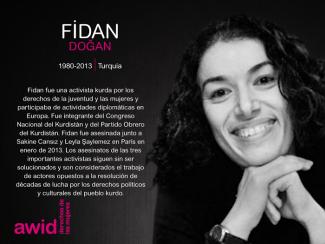
Fidan Dogan
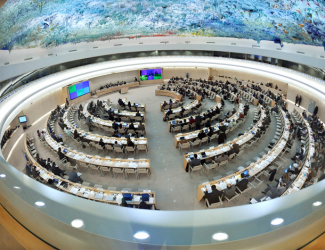
The Human Rights Council (HRC) is the key intergovernmental body within the United Nations system responsible for the promotion and protection of all human rights around the globe. It holds three regular sessions a year: in March, June and September. The Office of the UN High Commissioner for Human Rights (OHCHR) is the secretariat for the HRC.
Debating and passing resolutions on global human rights issues and human rights situations in particular countries
Examining complaints from victims of human rights violations or activist organizations on behalf of victims of human rights violations
Appointing independent experts (known as “Special Procedures”) to review human rights violations in specific countries and examine and further global human rights issues
Engaging in discussions with experts and governments on human rights issues
Assessing the human rights records of all UN Member States every four and a half years through the Universal Periodic Review
AWID works with feminist, progressive and human rights partners to share key knowledge, convene civil society dialogues and events, and influence negotiations and outcomes of the session.
So'oalo was a fervent human rights advocate, especially pertaining to the rights of the LGBTQI community in the Pacific.
She was a member of the Samoa Fa’afafine Association (SFA) and a passionate advocate for the acknowledgement of a third gender in the island country. Under her leadership, the SFA pushed for the recognition of the validity and rights of the fa’afafine community.
She was also a pioneer in articulating the links between human rights, exploitation of fa’afafines in Samoa and the Pacific, and the health, wellbeing and security of the LGBTQI community.
She was an inspiration, a visionary and her dedication to the pursuit of rights for her community is admirable and will be remembered.

Если у вас нет проблем с доступом к платформе, и/или вы не заполняете анкету на других языках, мы настоятельно рекомендуем вам использовать KOBO для стандартизированного сбора и анализа данных.
COZINHA OCUPAÇÃO 9 DE JULHO
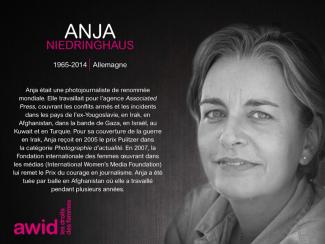
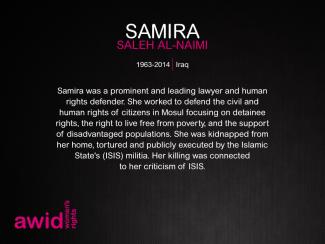
Samira fue una activista siria bajo el régimen de Bashar al-Asad.
Desde muy joven, se opuso a todas las formas de despotismo, especialmente en relación al régimen autoritario en el que vivía. En 2013, Samira fue secuestrada junto a otrxs tres destacadxs activistas. Se cree que se la llevaron del Centro para la Documentación de Violaciones de Duma, en el área rural de Damasco.
El principal sospechoso de su desaparición es el Ejército del Islam (el cual niega estar involucrado). No ha habido una investigación formal de la desaparición de Samira y desde entonces no se ha sabido nada de ella. Samira estaba comprometida con su país y se negaba a abandonar Siria hasta tanto no sintiera que su trabajo por el empoderamiento de las mujeres y en la documentación de los crímenes ya no fuera necesario.

Um total de 47 perguntas, das quais 27 são obrigatórias* e 20 são opcionais. A maioria das perguntas no inquérito é de escolha múltipla. Encorajamo-lo a responder a todas as perguntas.
C'est un centre communautaire, où l'on peut suivre des cours et se former à des activités créatives génératrices de revenus comme la coiffure, la cuisine et la création artistique. Les enfants peuvent également profiter d'activités culturelles et éducatives.
Le MSTC ne travaille pas seul. Iels collaborent avec des institutions et des collectifs artistiques pour produire des expériences culturelles, sportives et éducatives, ainsi qu'un accès critique à des services de santé. Depuis sa création, ce projet participatif a été porté essentiellement par des femmes, sous la direction de l'activiste afro-brésilienne Carmen Silva, autrefois sans abri.
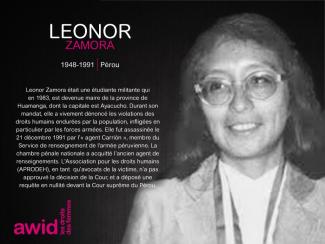
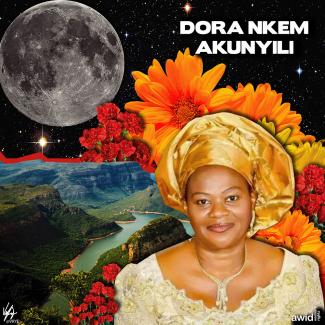
Née dans l'État de Benue, au Nigeria, Dora était une pharmacienne experte et érudite ainsi qu’une dirigeante communautaire de renommée mondiale.
Lorsqu'elle est devenue directrice générale de l'Agence nationale pour la gestion et le contrôle des aliments et drogues (NAFDAC) entre 2001 et 2008, son travail d’envergure révolutionnaire a initié un changement de paradigme au sein de la fonction publique nigériane. Au cours de son mandat, elle a mené des réformes dans l'application des politiques et des réglementations qui ont permis de réduire de manière radicale le nombre de faux médicaments qui ont affecté le secteur pharmaceutique nigérian.
Après avoir incarné la réalité d’une femme courageuse et compétente qui a défié les maux d’une société à dominante patriarcale et qui a conduit au changement, elle est devenue une icône de l’émancipation des femmes. Entre 2008 et 2010 elle a été nommée ministre de l'Information et de la Communication.
Elle est décédée des suites d'un cancer et laisse dans le deuil son mari, ses six enfants et ses trois petits-enfants.
يمكنكم/ن حفظ اجوبتكم/ن والعودة للاستطلاع متى أردتم/ن ذلك. KOBO بحفظ مسودات إجاباتك في الزاوية العلوية اليسرى من صفحة الاستطلاع وإعادة تحميل سجلك عند العودة إلى الاستطلاع.
Como parte del Viaje por las Realidades Feministas de AWID, te invitamos a explorar nuestro nuevo Club de Cine Feminista: una colección de cortometrajes y largometrajes seleccionados por nuestrxs curadorxs y narradorxs feministas de todo el mundo, que incluyen a Jess X. Snow (Asia-Pacífico), Gabrielle Tesfaye (África/Diáspora Africana) y Esra Ozban (Sudoeste Asiático y África del Norte). Alejandra Laprea es la curadora del programa de América Latina y Centroamérica, que inauguraremos en septiembre, durante el evento de AWID Crear, Résister, Transform: un festival para movimientos feministas. Mientras tanto, ¡mantente atentx a los anuncios sobre proyecciones especiales y conversaciones con cineastas!
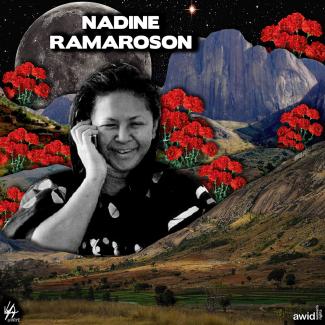
Nadine was a role model to many for her work supporting women and the most vulnerable in her community. She was committed to helping the poor and homeless in particular.
Though her death was reported as an accident, the Ramaroson family, led by her father, André Ramaroson led an investigation that pointed to evidence that she had been murdered. She is reported to have died in a fatal accident occurred between Soanierano - Ivongo and Ste Marie - a story that has been refuted by her family.
She received numerous death threats for her bold political positions. Her case remains in court in Antananarivo (the capital of Madagascar).
Нет, не является. Он основан на 20-летней истории AWID по мобилизации более объемного и качественного финансирования для социальных изменений под руководством феминисток(-ов) и является третьим этапом исследования «Где деньги для феминистских организаций?». Наша цель – проводить опрос «Где деньги?» каждые 3 года.