Widad Mitri
WHRDs are self-identified women and lesbian, bisexual, transgender, queer and intersex (LBTQI) people and others who defend rights and are subject to gender-specific risks and threats due to their human rights work and/or as a direct consequence of their gender identity or sexual orientation.
WHRDs are subject to systematic violence and discrimination due to their identities and unyielding struggles for rights, equality and justice.
The WHRD Program collaborates with international and regional partners as well as the AWID membership to raise awareness about these risks and threats, advocate for feminist and holistic measures of protection and safety, and actively promote a culture of self-care and collective well being in our movements.
WHRDs are exposed to the same types of risks that all other defenders who defend human rights, communities, and the environment face. However, they are also exposed to gender-based violence and gender-specific risks because they challenge existing gender norms within their communities and societies.
We work collaboratively with international and regional networks and our membership
We aim to contribute to a safer world for WHRDs, their families and communities. We believe that action for rights and justice should not put WHRDs at risk; it should be appreciated and celebrated.
Promoting collaboration and coordination among human rights and women’s rights organizations at the international level to strengthen responses concerning safety and wellbeing of WHRDs.
Supporting regional networks of WHRDs and their organizations, such as the Mesoamerican Initiative for WHRDs and the WHRD Middle East and North Africa Coalition, in promoting and strengthening collective action for protection - emphasizing the establishment of solidarity and protection networks, the promotion of self-care, and advocacy and mobilization for the safety of WHRDs;
Increasing the visibility and recognition of WHRDs and their struggles, as well as the risks that they encounter by documenting the attacks that they face, and researching, producing, and disseminating information on their struggles, strategies, and challenges:
Mobilizing urgent responses of international solidarity for WHRDs at risk through our international and regional networks, and our active membership.
There are 47 questions in total, of which 27 are mandatory* and the remaining 20 are optional. The majority of questions are multiple-choice. We invite you to respond to all the questions.
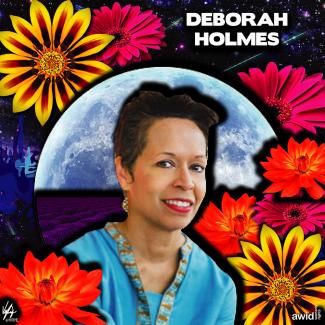
Al momento de su muerte, luego de una corta pero denodada batalla contra el cáncer, Deborah era la Jefa de Comunicaciones y Participación en la Women’s Funding Network (WFN, Red de financiamiento para mujeres).
Deborah también trabajó para el Fondo Global de Mujeres entre 2008 y 2017. Era sumamente querida y respetada por el consejo asesor, el personal y lxs colaboradorxs de la organización.
Kavita Ramdas, anterior directora ejecutiva del Fondo, acertadamente señaló que Deborah era un «pequeño paquete que explotaba de calidez, generosidad, inteligencia, estilo y un apasionado compromiso por unir la belleza con la justicia. Ella entendía el poder de las historias. El poder de la voz de las mujeres. El poder de la experiencia vivida. El poder de levantarse de las cenizas y decirle a otrxs que era posible. Y todavía nos levantamos».
Musimbi Kanyoro, actual directora ejecutiva del Fondo Global de Mujeres, añadió: «Hemos perdido a una hermana y su vida ilumina valores que nos unen y nos inspiran. Al reunirnos para llorar el fallecimiento de Deborah, recordemos y celebremos su notable, audaz y apasionada vida».
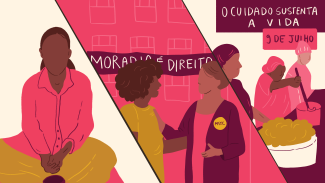
La vivienda es un derecho | El cuidado sostiene la vida

Si deseas guardar las respuestas y retomar la encuesta más tarde, puedes hacerlo todas las veces que lo necesites. KOBO guardará tus respuestas en la esquina superior izquierda de la página de la encuesta y recargará tu registro cuando regreses a la encuesta. Solo asegúrate de continuar desde la misma computadora y navegador.
El enfoque principal de nuestro trabajo es mundial y trabajamos en estrecha colaboración con nuestra membresía y otras organizaciones de derechos de las mujeres y aliadxs del ámbito local, nacional y regional para que sus realidades nutran con información la labor que realizamos.
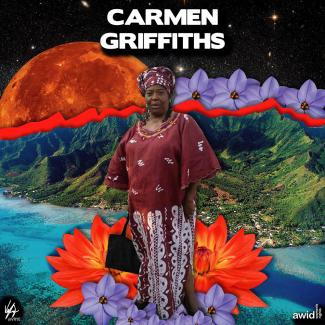
Carmen dirigeait le Construction Resource and Development Collective et a joué un rôle de premier plan en faveur de la participation des femmes dans l’industrie de la construction en Jamaïque.
Elle a également œuvré à la préparation aux catastrophes de femmes rurales et urbaines. Elle a travaillé en étroite collaboration avec les femmes (en particulier les mères célibataires) pour leur apprendre à utiliser les sangles anti-ouragan ainsi que d’autres technologies pour sécuriser leur foyer. Elle a travaillé dans le domaine de l’eau et de l’assainissement et a été une ardente défenseure d’une gestion durable de l’environnement et du développement.
Elle faisait partie de la Commission Huairou et plaidait en faveur des femmes de la base sur des questions telles que le logement, l'énergie et les moyens de subsistance durables.
Nous sommes ravis de vous présenter Clemencia Carabalí Rodallega, une extraordinaire féministe afro-colombienne.
Elle a travaillé sans relâche pendant trois décennies pour sauvegarder les droits humains, les droits des femmes et la consolidation de la paix dans les zones de conflit sur la côte pacifique de la Colombie.
Clemencia a apporté une contribution significative à la lutte pour la vérité, la réparation et la justice pour les victimes de la guerre civile en Colombie.
Elle a reçu le Prix national pour la défense des droits humains en 2019 et a également participé à la campagne de la nouvelle élue afro-colombienne et amie de longue date, la vice-présidente Francia Márquez.
Bien que Clemencia ait rencontré et continue de rencontrer de nombreuses difficultés, notamment des menaces et des tentatives d'assassinat, elle continue de se battre pour les droits des femmes et communautés afro-colombiennes à travers le pays.
Si, quelle qu’en soit la raison, vous souhaitez que votre participation soit annulée et vos réponses supprimées, vous en avez le droit. Merci de nous contacter par le biais de ce formulaire, en indiquant « Enquête WITM (Où est l’argent?) » dans l’objet de votre message. Nous annulerons votre participation et supprimerons vos réponses.
Le Forum international de l'AWID est un rassemblement de quelque 2 000 leaders et militant-e-s pour les droits des femmes du monde entier. Ce Forum de l'AWID est la manifestation récurrente de ce type la plus importante au monde. Il a lieu chaque fois dans un pays du Sud différent.
Le Forum international de l'AWID est à la fois un événement communautaire mondial et un espace de transformation personnelle radicale. Rassemblement unique en son genre, le Forum réunira nos mouvements féministes, de défense des droits des femmes, de justice de genre, LBTQI+ et alliés, dans toute leur diversité et leur humanité, afin de nous connecter, nous apaiser et nous épanouir.
Rejoignez-nous à Bangkok, en Thaïlande et en ligne en décembre 2024.
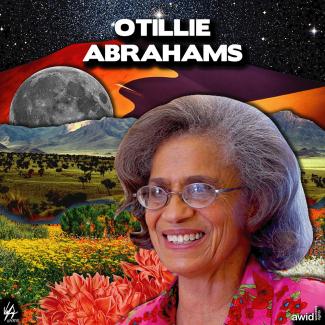
Ottilie was a Namibian feminist activist, educator and politician.
Ottilie was one of the founders of the South West African People's Organisation (SWAPO), the Yu Chi Chan Club (an armed revolutionary group); and the South West African National Liberation Front (SWANLIF). She was also a founder of the Namibian Women’s Association and Girl Child Project.
Throughout her life, Ottilie argued for the right to argue, think, contest, and demand. She mobilized women, organized students and teachers and criticized other comrades for their elitism and their corruption.
Ottilie worked ferociously to dismantle patriarchy, and to create a concrete transformative, liberatory, feminist participatory democracy.
Ottilie often said: “I will rest the day I die.”
Meet Aura Roig, the visionary feminist activist, anthropologist, director and founder of the Metzineres cooperative.
She spent the last two decades researching, designing and implementing drug policies from the perspective of harm reduction, human rights and intersectional feminism.
Having experienced and learned from communities who use drugs around the world, she returned to Barcelona and created Xarxa de Dones que Usen Drogues (the Network of Women Who Use Drugs, XADUD). XADUD was a space of mutual support and solidarity with the struggle to secure rights for marginalized groups, which later became the Metzineres cooperative.
Aura is currently working on expanding the Metzineres model to provide support to bigger constituencies, while also extensively documenting their prolific journey and learnings.

If you have any questions or concerns, please contact us via the form here, indicating “WITM Survey” as the title of your message. You can also write to us at witm@awid.org.
First High-level Dialogue on Financing for Development, 29-30 October 2003
One of the follow up mechanisms to the Monterrey conference are the UN General Assembly High-level Dialogues on Financing for Development held every two years. In total eight roundtable meetings took place following the Dialogue on various issues including agricultural subsidies, trade, debt relief and funding of the MDGs. All the discussions focused on dealing with the structural hindrances on these issues that disadvantaged ‘developing’ nations.
Other follow up mechanisms to Monterrey included:
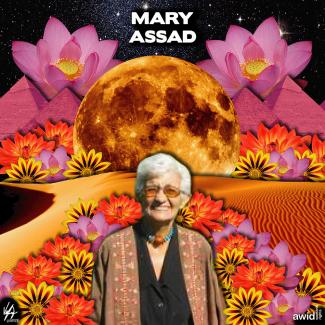
Experta en desarrollo social y antropóloga de formación, Mary fue conocida como pionera en la batalla contra la mutilación genital femenina (MGF).
Nacida en 1922 en El Cairo, el trabajo de Mary en el campo del desarrollo comenzó tempranamente, cuando se unió a la Asociación Cristiana de Mujeres Jóvenes (YWCA, por sus siglas en inglés). Fue integrante del Consejo Mundial de Iglesias y se comprometió cada vez más con la cuestión de la salud de las mujeres. Su larga lucha contra la MGF rindió frutos en 2008, cuando Egipto finalmente penalizó este tipo de prácticas.
Se la recuerda como mentora de numerosxs feministas y activistas egipcixs.