Marisela Escobedo Ortiz
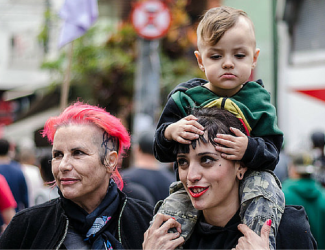
Over the past few years, a troubling new trend at the international human rights level is being observed, where discourses on ‘protecting the family’ are being employed to defend violations committed against family members, to bolster and justify impunity, and to restrict equal rights within and to family life.
The campaign to "Protect the Family" is driven by ultra-conservative efforts to impose "traditional" and patriarchal interpretations of the family, and to move rights out of the hands of family members and into the institution of ‘the family’.
Since 2014, a group of states have been operating as a bloc in human rights spaces under the name “Group of Friends of the Family”, and resolutions on “Protection of the Family” have been successfully passed every year since 2014.
This agenda has spread beyond the Human Rights Council. We have seen regressive language on “the family” being introduced at the Commission on the Status of Women, and attempts made to introduce it in negotiations on the Sustainable Development Goals.
AWID works with partners and allies to jointly resist “Protection of the Family” and other regressive agendas, and to uphold the universality of human rights.
In response to the increased influence of regressive actors in human rights spaces, AWID joined allies to form the Observatory on the Universality of Rights (OURs). OURs is a collaborative project that monitors, analyzes, and shares information on anti-rights initiatives like “Protection of the Family”.
Rights at Risk, the first OURs report, charts a map of the actors making up the global anti-rights lobby, identifies their key discourses and strategies, and the effect they are having on our human rights.
The report outlines “Protection of the Family” as an agenda that has fostered collaboration across a broad range of regressive actors at the UN. It describes it as: “a strategic framework that houses “multiple patriarchal and anti-rights positions, where the framework, in turn, aims to justify and institutionalize these positions.”
Non, vous n’avez pas besoin d’être membre de l’AWID pour participer, mais les membres de l’AWID bénéficient d’une réduction sur les frais d’inscription ainsi qu’un certain nombre d’autres avantages.
Apprenez-en davantage sur la façon de devenir membre de l’AWID
The fight for a world full of workplaces that are free from of all forms of discrimination, stigma and exclusion is a worthy one. A world in which sex work is decriminalized and recognized as work is part of this.
A world where all workers have safe working conditions, dignified wages, and can enjoy the same rights like health care, pension pay, sick days, holidays, job security and more, no matter their gender, race, ethnicity, age or ability. Labor rights are feminist issues, and feminist unions play a key role in advancing the legal, labor and economic rights of all workers, especially migrant workers, domestic workers, informal workers and sex workers. These are folks who have most recently been disproportionately affected by the pandemic, its burdens of care, lockdowns, curfews and increased policing. Let us introduce you to the stories of feminists and union organizers that are fighting for better working conditions and better worlds for all.
 توفير الموارد للحركات النسوية هو أمر أساسي لتوفير حاضر أكثر سلماً وعدالة ومستقبل أكثر تحرراً.
في العقد الأخير، خصّص الممولون/ات أموال أكبر للمساواة الجندرية، لكن فقط 1% من التمويل الخيري والتنموي تحرك بشكل مباشر لتمويل حركات التغيير الاجتماعي بقيادة نسوية.
كي نسعى إلى الوفرة، والخروج من هذه الندرة المزمنة، يدعو استطلاع "أين المال" المناصرات/ين النسويات/ين ومناصرات/ين العدالة الجندرية بمشاركتنا في مشوار جمع الإفادات وبناء القضايا لحشد أموال أكثر وأفضل كي نغيرّ موازين القوى في المناخ التمويلي القائم اليوم. يتضامن استطلاع "أين المال" مع الحركات التي يستمر إخفاءها وتهميشها والتي لا يتاح لها تمويلا أساسيا، مرن وطويل الأمد مبن على الثقة. ويسلّط استطلاع "أين المال؟" الضوء على وضع التمويل، يتحدّى الحلول الزائفة ويُظهر كيف تحتاج نماذج التمويل أن تتغير كي تزدهر الحركات وتتعامل مع تحديات الزمن المركبة.
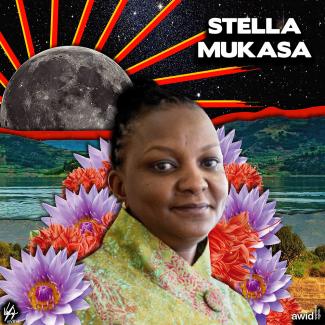
Stella comenzó su carrera en el Ministerio de Género y Desarrollo Comunitario en Uganda colaborando con lxs legisladores en reformas legales, incluida la Constitución de Uganda de 1995, que estableció algunas de las reformas más progresistas para las mujeres en la región.
Stella es respetada y admirada en toda la región por sus incansables esfuerzos para crear y hacer cumplir leyes y políticas que tomen en cuenta cuestiones de género. También desempeñó un papel clave en la redacción de la Ley de Violencia Doméstica de Uganda y en la movilización de apoyo para las constituciones sensibles al género tanto en Uganda como en Ruanda.
A través de su trabajo con el Centro Internacional para la Investigación sobre la Mujer (ICRW, por sus siglas en inglés), abordó la violencia contra lxs niñxs y trabajó para fortalecer las capacidades de las organizaciones de base que abordan la violencia de género. Stella fue profesora en cursos sobre derechos de género y la ley, en la Universidad Makerere, y formó parte de las juntas directivas de Akina Mama wa Afrika, ActionAid International Uganda y Open Society Initiative para África Oriental.

When thousands of feminists come together, we create a sweeping force of solidarity that has the power to change the world. The AWID Forum will be a moment for us to rest and heal together, connect across borders, and discover brave new strategic directions.
The date and location will be announced next year, as soon as we can. We’re excited and we know you’re excited too. Stay tuned!
Make sure to follow us on social media and subscribe to our mailing list to stay informed!
Pour toute question sur le Forum, merci de nous contacter via notre formulaire de contact en choisissant « 14e Forum de l'AWID » comme sujet de votre message.
El salario mínimo de Georgia se encuentra en un porcentaje inferior al de todos los países del mundo. Esta realidad afecta mayoritariamente a las mujeres.
El país no solo tiene una brecha salarial de género significativa, sino que las mujeres también trabajan más horas y más horas no reguladas antes de irse a casa para ocuparse de las tareas domésticas y de sus familias. No hay licencia por maternidad, no hay aumentos de salario por horas extras, no hay seguro de desempleo, y no hay licencias por enfermedad u otra protección social. Presionados por organizaciones occidentales, los partidos políticos oligárquicos georgianos han estado implementando reformas que están destruyendo el estado de bienestar, aumentando las medidas de austeridad y empeorando la explotación de lxs trabajadorxs, todo para los beneficios de grandes corporaciones que aplauden al país por su "facilidad para hacer negocios". Los medios de comunicación, cooptados por intereses privados y corporativos, están sesgados sobre estos temas o los silencian. La organización sindical sigue siendo una de las pocas opciones para luchar por los derechos humanos básicos y para hacer que el Estado y las empresas rindan cuentas ante las violaciones y persecuciones diarias y generalizadas contra lxs trabajadorxs, especialmente contra las mujeres.
Fuentes: Minimum-Wage y entrevista con Sopo Japaridze en Democracia Abierta
(Disponível em inglês)
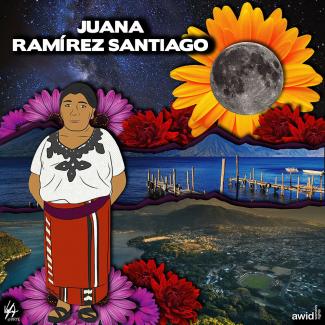
Ayant co-fondé le réseau Red de Mujeres Ixiles de Nebaj, une organisation de défense des droits des femmes autochtones, membre de l’Initiative mésoaméricaine des femmes défenseur-e-s des droits humains (IM-Defensoras en espagnol), Juana était actuellement membre de son conseil d’administration.
Elle était également sage-femme et mère de 7 enfants. Juana avait reçu des menaces de mort qui avaient été signalées au bureau du procureur. Juana est la troisième défenseure autochtone assassinée dans la région en 2018. L'Ombudsman pour le Guatemala a signalé qu'au total 20 défenseur-e-s ont été tué-e-s dans le pays cette année.
Juana Ramírez Santiago a été abattue par des assaillants non identifiés alors qu'elle traversait un pont à Nebak, Quiché, au Guatemala. Les enquêtes visant à identifier les auteurs sont en cours.
Esta historia es sobre la manera en que un grupo cada vez más diverso de feministas del Pacífico se organizaron a lo largo de los años para asistir a los Foros de AWID, y el modo en que ese proceso lxs transformó en forma personal, como organizaciones y como movimiento a través de lo que aprendieron, descubrieron y experimentaron. Ilustra la importancia de los Foros como espacio que permitió que una región que tiende a ser marginada o ignorada a nivel global pueda construir una presencia sólida en el movimiento feminista, que luego es replicada en otros espacios internacionales de derechos de las mujeres.
Taipei nous semble être l’emplacement de la région Asie-Pacifique qui nous permet au mieux de bâtir un espace sécurisé et désobéissant pour notre communauté féministe mondiale.
Taipei offre un certain niveau de stabilité et de sécurité aux divers·es participant·e·s du Forum que nous voulons rassembler. La ville dispose aussi de capacités logistiques importantes, en plus d’être accessible pour beaucoup de voyageurs·ses (avec une facilitation de procédure de visa électronique pour les conférences internationales).
Le mouvement féministe sur place est accueillant vis-à-vis du Forum et désire s’engager avec des féministes du monde entier.
Безусловно, мы хотим услышать ваше мнение и о вашем опыте привлечения ресурсов.
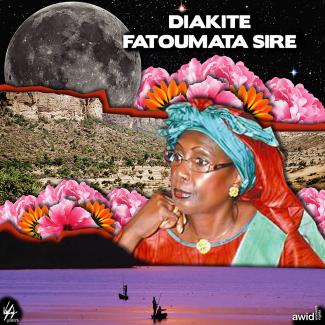
Diakite was actively involved in advocating for women in political and public life in Mali.
She worked to support training of women candidates in elections, and spoke out against the practice of Female Genital Mutilation (FGM). She was a strong proponent of reproductive health and rights.
De nombreuses participantes vivent les Forums de l’AWID comme un espace de liberté unique où elles sont accueillies et célébrées, telles qu’elles sont. Dans un monde où même les féministes les plus privilégiées ont souvent du mal à s’intégrer, pour celles dont l’identité est criminalisée ou condamnée dans leur contexte quotidien, cette expérience de liberté et de célébration peut être profondément transformatrice (et réparatrice). L’histoire de la façon dont OluTimehin Kukoyi - qui participait pour la première fois - a vécu le Forum des féminismes noirs et le Forum de l’AWID à Bahia (2016) illustre bien cela.