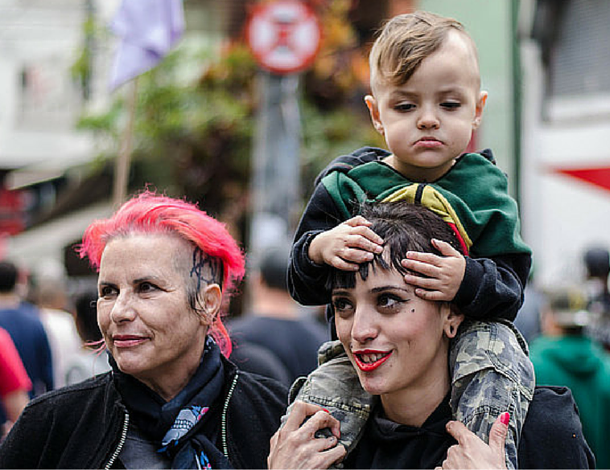
Flickr/Leonardo Veras (CC BY 2.0)

Special Focus

AWID is an international, feminist, membership organisation committed to achieving gender equality, sustainable development and women’s human rights

Protection of the Family

The Issue

Over the past few years, a troubling new trend at the international human rights level is being observed, where discourses on ‘protecting the family’ are being employed to defend violations committed against family members, to bolster and justify impunity, and to restrict equal rights within and to family life.

The campaign to "Protect the Family" is driven by ultra-conservative efforts to impose "traditional" and patriarchal interpretations of the family, and to move rights out of the hands of family members and into the institution of ‘the family’.

“Protection of the Family” efforts stem from:

  • rising traditionalism,
  • rising cultural, social and religious conservatism and
  • sentiment hostile to women’s human rights, sexual rights, child rights and the rights of persons with non-normative gender identities and sexual orientations.

Since 2014, a group of states have been operating as a bloc in human rights spaces under the name “Group of Friends of the Family”, and resolutions on “Protection of the Family” have been successfully passed every year since 2014.

This agenda has spread beyond the Human Rights Council. We have seen regressive language on “the family” being introduced at the Commission on the Status of Women, and attempts made to introduce it in negotiations on the Sustainable Development Goals.


Our Approach

AWID works with partners and allies to jointly resist “Protection of the Family” and other regressive agendas, and to uphold the universality of human rights.

In response to the increased influence of regressive actors in human rights spaces, AWID joined allies to form the Observatory on the Universality of Rights (OURs).  OURs is a collaborative project that monitors, analyzes, and shares information on anti-rights initiatives like  “Protection of the Family”.

Rights at Risk, the first OURs report, charts a map of the actors making up the global anti-rights lobby, identifies their key discourses and strategies, and the effect they are having on our human rights.   

The report outlines “Protection of the Family” as an agenda that has fostered collaboration across a broad range of regressive actors at the UN.  It describes it as: “a strategic framework that houses “multiple patriarchal and anti-rights positions, where the framework, in turn, aims to justify and institutionalize these positions.”


Related Content

Snippet - WITM FAQ - EN

Frequently Asked Questions

Overview

This bibliography intends to contribute to the desire for learning and engagement identified by activists in the Middle East and North Africa region when reflecting on the aftermath of fast unfolding transitions in the region. Such transitions, while specific to the context of MENA, are not unique in their occurrences around the world. Experiences and practices of feminists from around the world engaged in similar, even if not identical, struggles towards the democratization of their countries with a gendered lens and a feminist politics constitute an important knowledge bank that activists can draw upon, learn from, and engage with. This resource mapping aims to fill the gap realized in various convenings and conversations of a lack of information sharing and knowledge bridging among feminists across the regions that experienced similar uprisings; particularly along south-south and east-south lines.

This publication represents a research mapping of key resources, publications and materials on transitions to democracy and women’s rights in different countries of the world that have undergone such processes, such as: Indonesia, Chile, South Africa, Nepal, Mexico, Argentina, Poland, Ukraine, as well as within the Middle East and North Africa (MENA). It provides bibliographic information and short summaries of resources which succinctly identify the contextual changes and challenges facing women in those particular transitional moments, as well as clearly delineates the ways in which women’s rights activists sought to confront those challenges and what lessons were learned.

We hope that this collection of ideas, research, analysis and experiences provides the kind of rich ingredients needed to create new recipes for confronting old and new challenges. By sharing these texts, our goal is to make links across borders, expand possibilities and knowledge, and invite debate, reflection, and inspiration for women’s rights organizations and activists in the MENA region. While every moment and space has its own unique flavor and history, highlighting connections to similar challenges and aspirations allows us all to bring things in conversation with one another, imagine a new vantage point into a problem, and increase our sense of belonging and purpose and thus our capacity to stay strong in the face of the seemingly impossible. It is the collective strength of a movement that gives it the power to create change. The goal with this publication is not that one specific text will necessarily help illuminate new solutions, but that the combined knowledge and analysis from a variety of sources will provide readers with an opportunity to expand their horizons and foster connections. In our small way, we hope to contribute to furthering the democratization of knowledge, and supporting women’s rights movements in the MENA to continue building an inclusive transition process that will result in advancements of social justice and gender equality.

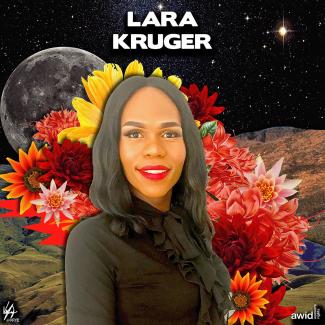
Lara Kruger

Lara was a well-known and loved radio DJ on Motsweding FM in South Africa.

Lara was one of the first openly-transgender radio hosts on a mainstream station. She worked hard to shine a light on LGBTI issues.

Lara’s activism started at a young age when she would vocally defend her right to dress and behave as she felt comfortable to members of her community who didn’t yet understand what it meant to be transgender.


Lara Kruger, South Africa

Leila Hessini

Biography

Leila is a transnational feminist leader, strategist, and advisor with over 25 years of organizing, advocacy and philanthropic experience advancing human rights, gender equality, and sexual and reproductive rights and justice.  She was born in Algeria and educated in the U.S., France, and Morocco; over her professional career, she has lived and worked in forty countries across Africa, Europe, Latin America and Asia.  Leila currently serves as a Senior International Fellow at the Asfari Institute for Civil Society and Citizenship at the American University of Beirut in Lebanon and as Senior Strategist for various feminist movements and organizations as well as the the Urgent Action Fund-Africa and Trust Africa on an initiative on Reimagining Feminist and Pan-African Philanthropies.
 
From 2017-2023, Leila held the position as Vice-President of Programs at Global Fund for Women where she oversaw its strategic grantmaking, movement-strengthening, global advocacy and philanthropic collaborations. At GFW, she doubled its grantmaking to over $17 million, launched its feminist and gender-based movements and crises work, created an adolescent girls program led by a girls’ advisory council and led its philanthropic advocacy work.  Prior to that she served on the senior leadership team of Ipas from 2002 to 2016 where she published extensively on abortion rights and justice, lead global advocacy efforts and partnered with feminist groups working on self-management, community strategies and stigma reduction around bodily integrity and sexual and reproductive rights.
 
Leila is currently researching shifts in the philanthropic sector including recognizing non-institutional practices of giving resources in the Global South and efforts to decolonize practices in the Global North.  She has written extensively on the political nature of veiling across North Africa and the Middle East, abortion practices in majority Muslim contexts and feminist approaches to sexual and reproductive health, rights and justice.
 
Leila holds an MPH in public health and a MA in Middle Eastern and North African Studies, studied Islamic law in Morocco and pursued doctoral studies in sociology in France. She studied Arabic and speaks French and English fluently.  She is a mother of two feminist young women, an avid scuba diver, mountain bike rider, skier, and outdoor enthusiast.

Position
Treasurer
Add to stories
Off

Snippet FEA Georgia's minimum wage (ES)

El salario mínimo de Georgia se encuentra en un porcentaje inferior al de todos los países del mundo. Esta realidad afecta mayoritariamente a las mujeres.

El país no solo tiene una brecha salarial de género significativa, sino que las mujeres también trabajan más horas y más horas no reguladas antes de irse a casa para ocuparse de las tareas domésticas y de sus familias. No hay licencia por maternidad, no hay aumentos de salario por horas extras, no hay seguro de desempleo, y no hay licencias por enfermedad u otra protección social. Presionados por organizaciones occidentales, los partidos políticos oligárquicos georgianos han estado implementando reformas que están destruyendo el estado de bienestar, aumentando las medidas de austeridad y empeorando la explotación de lxs trabajadorxs, todo para los beneficios de grandes corporaciones que aplauden al país por su "facilidad para hacer negocios". Los medios de comunicación, cooptados por intereses privados y corporativos, están sesgados sobre estos temas o los silencian. La organización sindical sigue siendo una de las pocas opciones para luchar por los derechos humanos básicos y para hacer que el Estado y las empresas rindan cuentas ante las violaciones y persecuciones diarias y generalizadas contra lxs trabajadorxs, especialmente contra las mujeres.

Fuentes: Minimum-Wage y entrevista con Sopo Japaridze en Democracia Abierta

Snippet - WITM To build - PT

Para recolher testemunhos centrados na realidade feminista sobre como o dinheiro circula e os bolsos em que entra;

Administrative Office

For administrative purposes you can contact our office at:

  • +1 416 594 3773
  • 192 Spadina Avenue, Suite 300 | Toronto, ON, M5T 2C2 | Canada

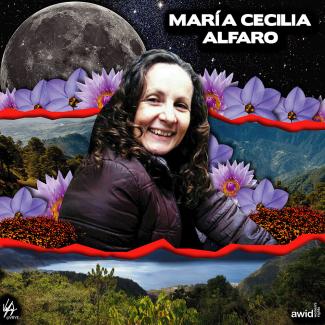
María Cecilia Alfaro Quesada

María Cecilia dedicó la mayor parte de su vida a la incorporación de una perspectiva feminista y de género en el trabajo institucional y organizacional y en el de capacitación. 

De niña, demostraba fuerte interés en el arte, la comunicación, la naturaleza, la literatura y el logro de la justicia, especialmente para las mujeres y los grupos marginados. 

Estaba comprometida con los derechos sexuales y reproductivos y fue parte de la Junta Nacional para la Educación Integral en Sexualidad. Sus seres queridxs la recuerdan como «una luchadora apasionada e incansable» con un profundo compromiso con los derechos de las mujeres y lxs niñxs.


María Cecilia Alfaro Quesada, Guatemala

Fatima Qureshi

Biography

Culturellement nomade, née à Hong Kong et enracinée dans un héritage turco-pakistanais, l'amour de Fatima pour les récits - tant pour les lire que pour les cocréer - a alimenté sa passion pour l'activisme à travers la communication. Forte de sa formation en journalisme, Fatima a travaillé pendant 7 ans dans les domaines de la communication numérique et médiatique avec des ONG qui offrent des opportunités d'éducation et de l’aide juridique aux réfugié·e·s et demandeur·se·s d'asile, ainsi qu'avec le mouvement féministe musulman qui applique une perspective féministe et fondée sur les droits dans la compréhension et la quête d’égalité et de justice au sein de la tradition juridique musulmane. Elle rédige régulièrement des tribunes sur les questions féministes dans les pays du Sud.

Grâce à la narration dans cette ère ultra digitale des réseaux sociaux, Fatima continue de collaborer avec des animateur·rice·s communautaires et des activistes de terrain pour créer du contenu audiovisuel dans le but de cultiver des ponts de compréhension vers la libération collective et la décolonisation. Les jours où elle ne travaille pas, elle regarde attentivement des films féministes indépendants venant d’Iran, du Maroc et du Pakistan, et les autres jours elle interprète de la poésie orale avec ses camarades à Kuala Lumpur.

Position
Responsable des communications numériques et des partenariats de l'ICM
Add to stories
Off

Snippet FEA collaborator and allies Photo 4 (FR)

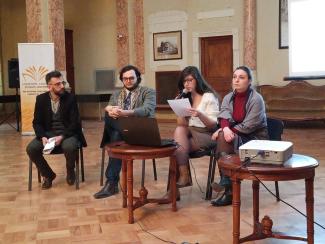
La photo représente Sopo prenant la parole lors d'un événement public à l'intérieur. Elle tient le micro tout en lisant ses notes et est assise sur une chaise entre trois autres personnes qui sont soit des orateur.trice.s, soit des modérateur.ice.s.

Snippet - WITM Why now_col 2 - AR

توفير الموارد للحركات النسوية هو أمر أساسي لتوفير حاضر أكثر سلماً وعدالة ومستقبل أكثر تحرراً.

في العقد الأخير، خصّص الممولون/ات أموال أكبر للمساواة الجندرية، لكن فقط 1% من التمويل الخيري والتنموي تحرك بشكل مباشر لتمويل حركات التغيير الاجتماعي بقيادة نسوية.

كي نسعى إلى الوفرة، والخروج من هذه الندرة المزمنة، يدعو استطلاع "أين المال" المناصرات/ين النسويات/ين ومناصرات/ين العدالة الجندرية بمشاركتنا في مشوار جمع الإفادات وبناء القضايا لحشد أموال أكثر وأفضل كي نغيرّ موازين القوى في المناخ التمويلي القائم اليوم. يتضامن استطلاع "أين المال" مع الحركات التي يستمر إخفاءها وتهميشها والتي لا يتاح لها تمويلا أساسيا، مرن وطويل الأمد مبن على الثقة. ويسلّط استطلاع "أين المال؟" الضوء على وضع التمويل، يتحدّى الحلول الزائفة ويُظهر كيف تحتاج نماذج التمويل أن تتغير كي تزدهر الحركات وتتعامل مع تحديات الزمن المركبة.

Ideas sobre financiamiento

En esta página les ofrecemos ideas e inspiración para financiar su participación en el 14° Foro de AWID. 

Cuando planifiquen la actividad que les gustaría presentar en el Foro, por favor también tengan en cuenta cómo podrían financiar su participación. Los costos a tener en cuenta son: alojamiento, viaje, visa, inscripción al Foro, y otros.

Es importante señalar que este Foro tendrá muchos ‘espacios abiertos’ y momentos para que los distintos movimientos puedan intercambiar entre sí y aprender, pero menos sesiones formales. (Consulten la sección sobre “Cómo describir el Foro para movilizar recursos” debajo).

Trabajar con sus donantes actuales:

Antes que nada, hablen con sus donantes actuales. 

Asegúrense de hacerlo con anticipación. (Les recomendamos contactarlxs como máximo durante los primeros meses de 2020). Muchxs donantes que apoyan a organizaciones feministas han asignado recursos para que sus copartes puedan viajar al Foro. Otrxs podrían asignarles esos recursos cuando les renueven su apoyo o como parte de un fondo para viajes.

Si su organización/grupo tiene donantes, podrían contarles que quieren asistir al Foro AWID para aprender, vivenciar, compartir y contactarse con otrxs, aun si su actividad no resulta seleccionada para el programa final. Para poder apoyar su participación, lxs donantes tendrán que saber que ustedes quieren asistir al Foro cuanto antes (ya deben estar decidiendo cómo van a repartir sus fondos en 2020).

Buscar nuevos donantes:

Si no tienen donantes que les apoyen o lxs que tienen no pueden asignarles fondos para viajar al Foro, tal vez podrían buscar nuevos donantes. 

Los plazos y requisitos varían de un donante a otro, y los procesos para aprobar una donación pueden llevar meses. Si piensan solicitar fondos a un donante nuevo, por favor háganlo cuanto antes.

Inspiración creativa:

Desde siempre los movimientos feministas hemos desplegado nuestra creatividad para financiar nuestro activismo. A continuación encontrarán algunas ideas que podrían inspirarlxs para pensar formas alternativas de movilizar recursos:

  • Movilicen a su comunidad para que apoye su participación en el Foro: sumen pequeños aportes de su membresía y de otras personas organizando cenas, bailes, espectáculos, eventos o viajes guiados
  • Organicen círculos de donantes y utilicen el financiamiento comunitario a través de herramientas en línea como gofundmeindiegogoplumfund ou kickstarter (enlaces en inglés).
  • Otras fuentes de financiamiento local pueden ser donantes individuales o cuotas que paguen las personas de su asociación
  • También pueden aliarse estratégicamente con otros grupos comunitarios o que luchan por la justicia social y movilizar recursos juntxs.

Podrán encontrar más ideas en la serie de publicaciones de AWID sobre feministas que se autofinancian, que incluye ideas específicas para  movilizar fondos y participar en eventos

Fondo acceso:

AWID intenta hacer del Foro un evento verdaderamente global con participación de una variedad de movimientos, regiones y generaciones. Con este fin, movilizamos recursos para un Fondo Acceso (FA) limitado que asistirá a lxs participantes a cubrir los costos que implica asistir al Foro.

El Fondo Acceso de AWID podrá apoyar a un número limitado de participantes del Foro y personas que faciliten sesiones/actividades. Este apoyo no está garantizado y lxs alentamos a buscar formas alternativas de financiar su participación en el Foro, incluyendo sus gastos de viaje.

En su formulario de aplicación pueden indicar que les gustaría ser tenidxs en cuenta para el Fondo Acceso de AWID. Por favor tengan presente que estos recursos son muy limitados y que no vamos a poder apoyar a todxs. Aun si indican que les gustaría ser tenidxs en cuenta para el Fondo Acceso, les alentamos a continuar explorando otras opciones para financiar su participación en el Foro. A fines de junio de 2020 confirmaremos las decisiones acerca del Fondo Acceso. 


Cómo describir el Foro para movilizar recursos: 

A continuación encontrarán algunos mensajes simples que pueden utilizar cuando hablen con sus donantes o con personas de su comunidad. Por favor no duden en adaptarlos como les pueda resultar más útil.

El Foro AWID es un espacio que los movimientos feministas crean juntos y que permite a lxs participantes renovar energía para su activismo, fortaleciendo sus vínculos con muchos movimientos por los derechos y la justicia. Lxs participantes pueden encontrar allí esperanza, energía e imaginación radical, al mismo tiempo que profundizan análisis compartidos, aprenden y desarrollan la solidaridad entre movimientos que permite agendas más integradas y estrategias conjuntas.

Nuestra organización está buscando fondos para asistir al Foro y poder vincularnos con otrxs activistas y movimientos de todo el mundo, fortalecer nuestras estrategias y compartir el trabajo que hacemos. Nos inspira la experiencia de otrxs que han participado en el Foro y que describieron la fuerza de esta convocatoria feminista global:

“Durante cuatro días … las voces se entretejieron para articular una perspectiva global sobre el estado de la igualdad de género. Y cuando digo ‘global’ quiero decir por ejemplo que había traducción simultánea en siete idiomas…”

“Nos recordó que no estamos solas. El Foro nos permitió traducir lo colectivo a nuestros movimientos. Con diferencias en cuanto a ideologías, identidades o fronteras, nuestra fortaleza yace en nuestra visión y en cómo nos apoyamos unas a otras”.

Es importante señalar que este Foro tendrá muchos ‘espacios abiertos’ y momentos para que los movimientos puedan aprender e intercambiar entre sí, pero menos sesiones formales. Si bien muchxs participantes no podrán facilitar sesiones formales, para ellxs también será un espacio valioso en el que aprender, pensar estrategias y vivenciar el poder colectivo de los movimientos feministas en acción.

Qué tener en cuenta para el presupuesto: 

Para calcular los costos y saber cuánto dinero necesitarán recaudar, es importante que tengan en cuenta que su participación podrá requerir todos o algunos de los siguientes gastos:

  • Pasajes aéreos
  • Inscripción (por favor tengan en cuenta que aun si AWID lxs incluye en el Fondo Acceso ustedes tendrán que cubrir el pago de la inscripción)
  • Visas
  • Seguro de salud para viajerxs
  • Traslados hasta y desde el aeropuerto (en taxi u otro medio de transporte)
  • Si tienen que hacer una escala prolongada, tal vez necesiten calcular el costo de alojamiento y comidas
  • Alojamiento. Si viajan desde lejos hasta la sede del Foro, consideren la posibilidad de llegar un día antes para descansar y recuperarse.
  • Tecnología, incluyendo acceso a wifi o tarifas para comunicaciones internacionales durante el viaje (AWID proveerá acceso a wifi durante el Foro)
  • El costo de producir (y transportar) lo que quieran llevar, compartir o intercambiar en el Foro (informes, materiales artísticos o visuales)
  • Gastos imprevistos y/o viáticos para cubrir sus comidas (durante los días del Foro, AWID cubrirá los almuerzos, refrigerios y una de las cenas)
  • Accesibilidad: cualquier apoyo adicional que puedan necesitar y que sea importante para que puedan viajar más cómodxs y segurxs

¡Esperamos verlxs en el Foro!


El Foro es un proceso colaborativo

El 14o Foro de AWID tendrá lugar del 11 al 14 de enero de 2021 en Taipéi, Taiwán.

El Foro es más que una reunión de cuatro días. Es una estación en un recorrido más largo para fortalecer nuestros movimientos en torno a la noción de Realidades Feministas que ya ha comenzado y que continuará más allá de las fechas del Foro.

Únete al Viaje
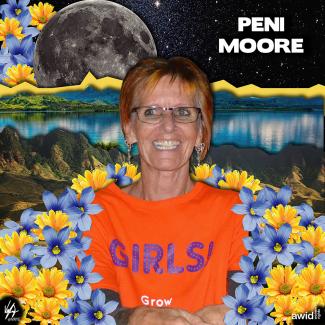
Peni Moore

Philosophe féministe radicale, Peni était aussi poète, écrivaine, dramaturge et compositrice.

Première coordinatrice du Fiji Women’s Rights Movement (Mouvement pour les droits des femmes aux Fidji), elle a laissé un héritage empreint de sa profonde préoccupation pour les droits fondamentaux des femmes, la justice et la paix. L’engagement de Peni en faveur de la justice sociale, économique et écologique et son travail remarquable lui a valu le respect de la communauté locale et internationale. Au sein des mouvements féministes traditionnels des Fidji, elle a été l’une des premières à travailler avec et aux côtés des personnes LGBTQI et a fourni une assistance concrète au mouvement des travailleurs et des travailleuses du sexe lorsqu’il s’est constitué aux Fidji.

Ses collègues l'ont décrite comme une personne formidable et une leader visionnaire du changement. Elle a inspiré beaucoup de personnes par sa créativité et son courage. Son travail a permis à de nombreuses personnes de se faire entendre, d’acquérir de nouvelles compétences et d’ouvrir de nouvelles voies, tant au niveau personnel que communautaire.


Peni Moore, Fiji

Faten Nabhan

Add to stories
Off

Snippet FEA lines of work Against (EN)

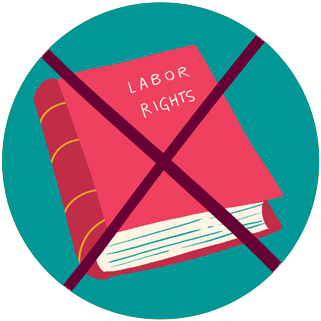
Illustration of a pink book that says “labor rights” and has a red X on it,

LABOR RIGHT VIOLATIONS

Snippet - WITM RESOURCES - PT

Recursos

(Disponível em inglês)