Related content
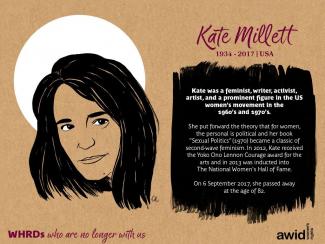
The Guardian: Kate Millett Obituary
New York Times: Kate Millett, Ground-Breaking Feminist Writer, Is Dead at 82
The New Yorker: A Last Interview with Kate Millett
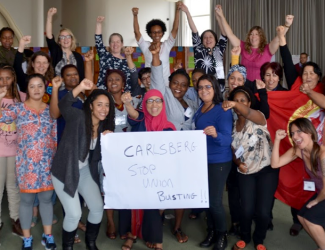
Women human rights defenders (WHRDs) worldwide defend their lands, livelihoods and communities from extractive industries and corporate power. They stand against powerful economic and political interests driving land theft, displacement of communities, loss of livelihoods, and environmental degradation.
Extractivism is an economic and political model of development that commodifies nature and prioritizes profit over human rights and the environment. Rooted in colonial history, it reinforces social and economic inequalities locally and globally. Often, Black, rural and Indigenous women are the most affected by extractivism, and are largely excluded from decision-making. Defying these patriarchal and neo-colonial forces, women rise in defense of rights, lands, people and nature.
WHRDs confronting extractive industries experience a range of risks, threats and violations, including criminalization, stigmatization, violence and intimidation. Their stories reveal a strong aspect of gendered and sexualized violence. Perpetrators include state and local authorities, corporations, police, military, paramilitary and private security forces, and at times their own communities.
AWID and the Women Human Rights Defenders International Coalition (WHRD-IC) are pleased to announce “Women Human Rights Defenders Confronting Extractivism and Corporate Power”; a cross-regional research project documenting the lived experiences of WHRDs from Asia, Africa and Latin America.
"Women Human Rights Defenders confronting extractive industries: an overview of critical risks and Human Rights obligations" is a policy report with a gender perspective. It analyses forms of violations and types of perpetrators, quotes relevant human rights obligations and includes policy recommendations to states, corporations, civil society and donors.
"Weaving resistance through action: Strategies of Women Human Rights Defenders confronting extractive industries" is a practical guide outlining creative and deliberate forms of action, successful tactics and inspiring stories of resistance.
The video “Defending people and planet: Women confronting extractive industries” puts courageous WHRDs from Africa, Asia, and Latin America in the spotlight. They share their struggles for land and life, and speak to the risks and challenges they face in their activism.
Challenging corporate power: Struggles for women’s rights, economic and gender justice is a research paper outlining the impacts of corporate power and offering insights into strategies of resistance.
AWID acknowledges with gratitude the invaluable input of every Woman Human Rights Defender who participated in this project. This project was made possible thanks to your willingness to generously and openly share your experiences and learnings. Your courage, creativity and resilience is an inspiration for us all. Thank you!
El Foro Internacional de AWID es una reunión de 2.000 líderes de derechos de las mujeres y activistas de todo el mundo. El Foro AWID es el evento recurrente más grande de su tipo, y cada Foro tiene lugar en un país diferente en el Sur global.
El Foro Internacional de AWID es un evento de la comunidad global y, al mismo tiempo, un espacio para una transformación personal radical. Es un encuentro único: el Foro reúne a los movimientos feministas, por los derechos de las mujeres, por la justicia de género, LBTQI+ y aliados, en toda nuestra diversidad y humanidad, para conectarnos, sanar y florecer.
Únete a nosotrxs en Bangkok, Tailandia, y de manera virtual, en diciembre de 2024.
เราจะติดต่อกับองค์กรพาร์เนอร์ในอดีตเพื่อให้มั่นใจว่าความพยายามที่เคยเตรียมไว้ในอดีตมีความหมาย หากองค์กรของคุณมีการเปลี่ยนแปลงข้อมูลติดต่อจากฟอรัมครั้งก่อนหน้ากรุณาแจ้งให้พวกเราทราบเพื่อให้เราสามารถติดต่อถึงคุณได้
Related content
The Guardian: Kate Millett Obituary
New York Times: Kate Millett, Ground-Breaking Feminist Writer, Is Dead at 82
The New Yorker: A Last Interview with Kate Millett
La Conférence de Monterrey sur le financement du développement a marqué le début des discussions sur les questions relatives au financement du développement.
Pour en savoir plus sur les six axes de Monterrey et sur les mécanismes de suivi de la conférence : Gender Issues and Concerns in Financing for Development (en anglais), par Maria Floro, Nilufer Çagatay, John Willoughby et Korkut Ertürk (INSTRAW, 2004).
diseñado por Ellena Ekarahendy
(Haga clic en la imagen para descargar)
ถ้ากลุ่มหรือองค์กรของคุณได้รับการสนับสนุนเงินทุน คุณสามารถพูดคุยกับแหล่งทุนของคุณได้ตั้งแต่ตอนนี้หากพวกเค้าสามารถสนับสนุนการเดินทางและการเข้าร่วมของคุณได้ หลายองค์กรวางแผนงบประมาณปีหน้าในปี 2566 จึงเป็นการดีกว่าหากสามารถพูดคุยกับพวกเค้าก่อนภายในปีนี้
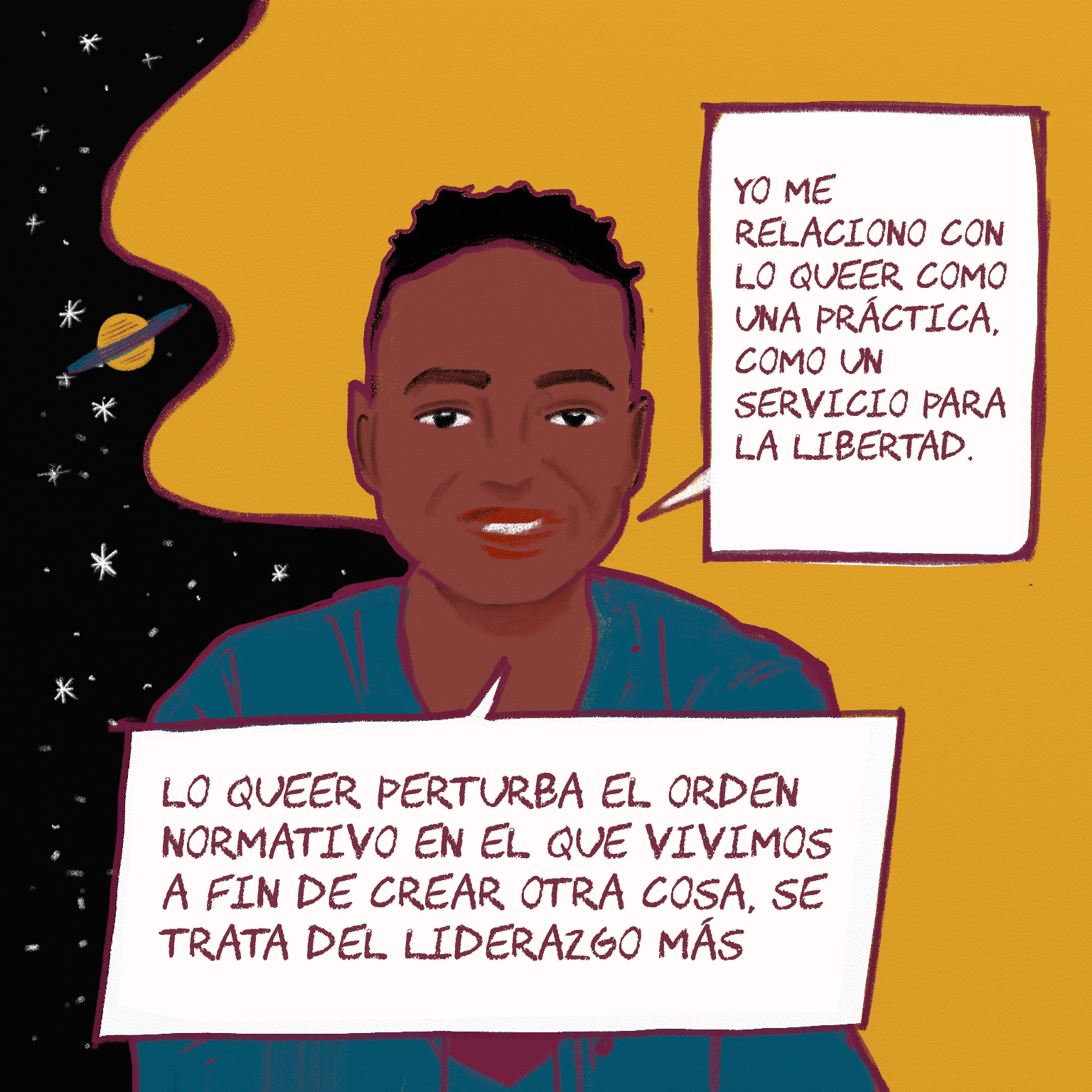
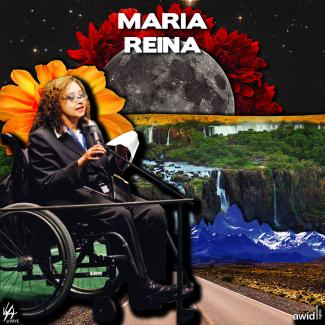
Representó al Consorcio Internacional sobre Discapacidad y Desarrollo (IDDC por su sigla en inglés) durante la negociación de la Convención sobre los Derechos de las Personas con Discapacidad (2001-2006). Su trabajo estaba dedicado a la implementación del objetivo de la Convención: el goce pleno de los derechos humanos universales por, para y con las personas con discapacidades, en pos de un mundo inclusivo, accesible y sostenible.
En sus propias palabras, su liderazgo consistía en «servir a la comunidad de personas con discapacidad, comenzando por aquellas pequeñas tareas que otrxs pueden no querer realizar».
Falleció el 27 de octubre de 2017 en su ciudad natal de Rosario, Argentina.
En esta nota puede leerse más sobre María Verónica Reina, en sus propias palabras.
The theme of the Fourth High-level Dialogue on Financing for Development, 23-24 March 2010: The Monterrey Consensus and Doha Declaration on Financing for Development: status of implementation and tasks ahead. It had four round tables on: the reform of the international monetary and financial systems; impact of the financial crisis on foreign direct investments; international trade and private flows; and the role of financial and technical development cooperation, including innovative sources of development finance, in leveraging the mobilization of domestic and international financial resources for development.
There was also the informal interactive dialogue involving various stakeholders that focused on the link between financing for development and achieving the Millennium Development Goals.
Peut-être savez-vous déjà que l’AWID fête ses 40 ans en 2022. Mais saviez-vous que nous avons retenu pour thèmes « Rassembler, semer et perturber » ? Pour célébrer cette occasion comme il se doit, nous avons invité des membres, des partenaires et du personnel de l’AWID à écrire leur propre « lettre d’amour aux mouvements féministes ». Ensemble, nous avons créé une constellation de mouvements féministes. Restez près de nous alors que nous poursuivons notre chemin, pour rassembler, semer et perturber !
Une remarque sur notre collection de lettres d'amour :
Toutes ces lettres ont été écrites par des activistes qui font part de leurs expériences diverses au sein des mouvements féministes. Certaines peuvent inclure du contenu difficile ou éprouvant à propos d’abus, de violence sexuelle, de conflit, d’exclusion ou d’autres éléments potentiellement déclencheurs ou perturbants. Ces lettres sont emplies d’amour, mais restez néanmoins attentifs·ves à vos émotions lorsque vous les lirez.
เป็นกระบวนการเดียวกันและกำหนดเวลาเดียวกันทุกประการ โปรดใช้แบบฟอร์มเดียวกันนี้ในการส่งกิจกรรมของคุณ ไม่ว่าจะเป็นกิจกรรมที่จัดแบบพบกันทางกายภาพ ทางออนไลน์ หรือทั้งสองแบบ (ไฮบริด)
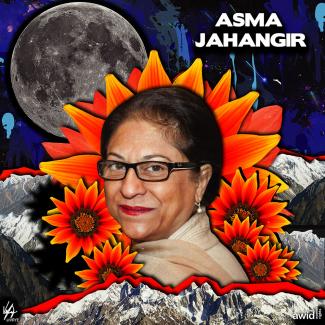
Asma était une militante pakistanaise des droits humains, une critique courageuse de l'ingérence de l'armée dans la politique et une défenseure acharnée de la primauté du droit.
Elle a été la présidente fondatrice de la Commission des droits de l'homme du Pakistan, un groupe indépendant ainsi qu’administratrice de l'International Crisis Group. Elle a remporté des prix internationaux et a été rapporteuse des Nations Unies sur les droits de l'homme et les exécutions extrajudiciaires.
Ses collègues et ami-e-s de l’AWID se souviennent d'elle avec affection
« Grâce à sa vie, Asma a réécrit l'histoire que beaucoup d'entre nous ont racontée en tant que femmes. Asma a changé le monde. Elle l'a changé au Pakistan et elle l'a changé dans notre imaginaire. »
Difusión del Borrador Cero del Documento Final
COZINHA OCUPAÇÃO 9 DE JULHO
มี! ขณะนี้พวกเรากำลังค้นหานวัตกรรมทางเทคโนโลยีที่จะช่วยให้เกิดการเชื่อมต่อและการเข้าร่วมอย่างมีความหมาย
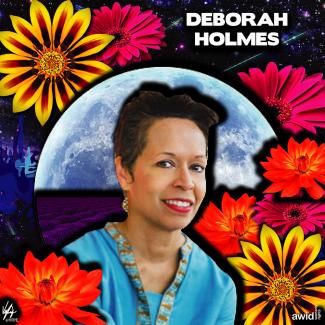
At the time of her death, following a short but aggressive battle with cancer, Deborah was the Chief Communication and Engagement Officer at the Women’s Funding Network (WFN).
Deborah also worked for the Global Fund for Women from 2008 to 2017. Deborah was extremely loved and respected by board, staff, and partners of Global Fund for Women.
Kavita Ramdas, former CEO of the Global Fund for Women aptly noted that Deborah was “a small package exploding with warmth, generosity, intelligence, style, and a passionate commitment to fusing beauty with justice. She understood the power of story. The power of women’s voice. The power of lived experience. The power of rising from the ashes and telling others it was possible. And, still we rise.”
Musimbi Kanyoro, the present CEO of the Global Fund for Women, added, “We have lost a sister and her life illuminates values that unite and inspire us all. As we all come together to mourn Deborah’s passing, let us remember and celebrate her remarkable, bold, and passionate life.”