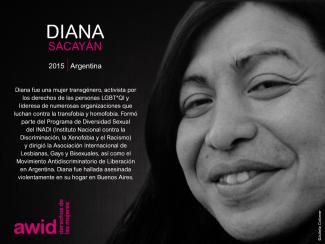
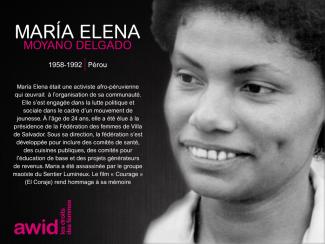
Diana Sacayan
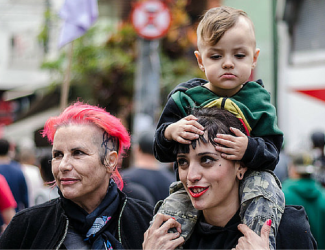
Au cours des dernières années, nous avons observé une nouvelle tendance inquiétante dans les espaces internationaux consacrés aux droits humains. Les discours axés sur « la protection de la famille » sont en effet utilisés pour défendre des violations des droits de membres de la famille, pour renforcer et justifier l’impunité des auteurs de ces violations et pour restreindre l’égalité des droits au niveau de la vie familiale.
La campagne en faveur de la « Protection de la famille » est motivée par une volonté conservatrice d’imposer des conceptions « traditionnelles » et patriarcales de la famille et de priver les membres de la famille de leurs droits pour les transférer à « l’institution familiale ».
Depuis 2014, un groupe d’Etats travaille de front dans les espaces dédiés aux droits humains sous le nom de « Group of Friends of the Family » (Groupe des ami-e-s de la famille) ; des résolutions sur la « Protection de la famille » ont été adoptées chaque année depuis 2014.
Ce programme s’est propagé au-delà du Conseil des droits humains. Nous avons observé l’introduction d’un discours régressif autour de la « famille » à la Commission sur la condition de la femme, ainsi que des tentatives d’introduction dans les négociations sur les Objectifs de développement durable.
L’AWID travaille avec des partenaires et des allié-e-s pour s’opposer ensemble à la « Protection de la famille » et à d’autres programmes régressifs et défendre l’universalité des droits humains.
En réponse à l’influence croissante d’acteurs régressifs au sein des espaces dédiés aux droits humains, l’AWID a rejoint des allié-e-s afin de créer l’Observatoire sur l'Universalité des droits (OURs) (site en anglais). L’OURs est un projet de collaboration qui surveille, analyse et diffuse les informations concernant les initiatives anti-droits telles que la « Protection de la famille ».
Le premier rapport de l’OURs, Nos droits en danger, trace une cartographie des acteurs et actrices qui constituent le lobby mondial anti-droits et identifie leur réthorique et stratégies clés ainsi que leur impact sur les droits humains.
Le rapport précise que le programme de « Protection de la famille » a développé une collaboration entre un large éventail d’acteurs régressifs aux Nations Unies, qu’il décrit comme « un cadre stratégique abritant des positions anti-droits et patriarcales multiples, où le cadre vise entre autres à légitimer et institutionnaliser ces positions. »
Nuestra base de datos de donantes y patrocinadores se encuentra actualmente en revisión. ¡Sabemos que los movientos feministas todavía necesitan y merecen más y mejores recursos!
Únete a nuestra lista de correo para mantenerte al tanto sobre esta actualización.
También puedes afiliarte a AWID y encontrar y crear conexiones con feministas de todo el mundo.
This new report shines a light on the resourcing realities of feminist and women’s rights organizations amid unprecedented political and financial upheaval. Drawing on over a decade of analysis since AWID last Where is the Money? report (Watering the Leaves, Starving the Roots), it takes stock of the gains, gaps, and growing threats in the funding landscape.
The report celebrates the power of movement-led initiatives to shape resourcing on their own terms, while sounding the alarm on massive aid cuts, shrinking philanthropy, and escalating backlash.
It calls on funders to invest abundantly in feminist organizing as essential infrastructure for justice and liberation. It also invites movements to reimagine bold, self-determined models of resourcing rooted in care, solidarity and collective power.
AWID’s working languages are English, French and Spanish. Thai will be added as the local language, as well as sign language & other accessibility measures. Other languages may be added if funding permits, so check back regularly for updates. We care about language justice and will try to include as many languages as we can and as our resources allow. We hope to create multiple opportunities for many of us to be present in our languages and to communicate with each other.
Nous œuvrons à renforcer les répercussions et l’influence des organisations, mouvements et défenseur-euse-s des droits des femmes sur la scène internationale et à amplifier leur voix collective, en vue de la pleine réalisation de la justice de genre et des droits humains des femmes.
Lorsque notre travail incarné devient un profit entre les mains de systèmes que nous cherchons à démanteler, il n’est pas étonnant que nos sexualités et nos plaisirs soient une fois de plus relégués à la marge – surtout lorsqu’ils ne sont pas assez rentables. À plusieurs reprises au cours de la production de ce numéro, nous nous sommes demandé ce qui se passerait si nous refusions de nous plier aux services essentiels du capitalisme. Mais pouvons-nous oser poser cette question, lorsque nous sommes épuisé·e·s par le monde? Peut-être que nos sexualités sont si facilement rejetées parce qu’elles ne sont pas considérées comme des formes de soins. Peut-être que ce dont nous avons besoin, c’est de réimaginer le plaisir comme une forme de soin radical – un soin qui est également anticapitaliste et anti-institutionnel.
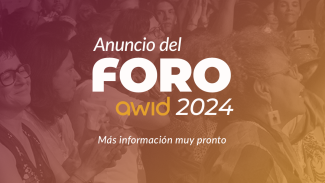
Cuando miles de feministas se unen, creamos una fuerza arrolladora de solidaridad que tiene el poder de cambiar el mundo. El Foro de AWID será un momento para que descansemos y nos recuperemos juntas, nos conectemos más allá de las fronteras y descubramos nuevas y osadas direcciones estratégicas.
La fecha y el lugar se anunciarán el próximo año, tan pronto como podamos. Estamos emocionades y sabemos que ustedes también lo están. ¡Manténganse al tanto!
¡Asegúrate de seguirnos en las redes sociales y suscríbete a nuestra lista de correo para mantenerte al día!
The climate summit by movements, for movements.
📅 November 12 - November 16, 2025
📍 Universidade Federal do Pará, Belém
The rising power of anti-rights actors is not happening in a vacuum. Understanding the rise of ultra-nationalism, unchecked corporate power, growing repression, and diminishing civic space is key to contextualize the anti-rights threats we face today.
AWID works towards the realization of gender justice and women’s human rights worldwide. We work to strengthen the voices and impact of women’s rights advocates, organizations and movements. Our main Priority Areas relate to themes that are closely linked to dominant global trends.
These themes reflect growing challenges that negatively impact women’s rights worldwide.
Avec Dre Vandana Shiva, Dre Dilar Dirik et Nana Akosua Hanson..
Merci de votre visite sur le site d'AWID. Pour plus d'informations sur AWID rendez-vous sur https://www.awid.org/fr
New
Participants will physically gather at a number of sites outside the Bangkok venue, in different parts of the world, on each day of the Forum. All of these self-organized sites will be virtually connected to the Forum venue in Bangkok. As with individuals connecting online, Hub participants will be able to facilitate activities, participate in conversations and enjoy a rich and diverse program.
Hub locations to be announced in 2024!
Todos nuestros informes anuales estan disponibles en línea.
قضايا تتعلق بالجسد والجندر ومختلف أنواع الجنسانية، واستكشف الروابط المتشابكة بين القضايا هذه وكونها تجاربَ مجسّدة بعمق ومكانًا يُعترض فيه على الحقوق تكون فيه الأخيرة مهدّدة في المجتمع.
تكمن قوّة الحركات النسوية في طريقة تنظيمنا وتنسيق نشاطنا، ليس ضمن مجتمعاتنا وحركاتنا فحسب إنما بالتعاون مع قضايا ومجموعات حليفة في مجال العدالة الاجتماعية. وفّرت المساحة هذه فرصًا للحركات لمشاركة طرق التنظيم واستراتيجيات تكتيكية مع بعضنا البعض وتعزيزها.
لقد أوضحت جائحة كوفيد-١٩ العالمية فشل الرأسمالية النيوليبرالي فبدا أكبر من قبل وكشفت عن التفكك الموجود في أنظمتنا أكثر من أي وقت سابق، فشددت على ضرورة بناء أنواع واقع جديد وفرص بنائها. يتطلّب التعافي النسوي الاقتصادي والاجتماعي منّا جميعًا أن ننجح كلّنا معًا. نصدر النسخة هذه من المجلة بالشراكة مع «كحل: مجلة لأبحاث الجسد والجندر»، وسنستكشف عبرها الحلول والاقتراحات وأنواع الواقع النسوية لتغيير عالمنا الحالي وكذلك أجسادنا وجنسانياتنا.
يمكنك تصفح المقالات عبر الإنترنت أو
قم بتنزيل ملف PDF
Building Feminist Economies is about creating a world with clean air to breath and water to drink, with meaningful labour and care for ourselves and our communities, where we can all enjoy our economic, sexual and political autonomy.
In the world we live in today, the economy continues to rely on women’s unpaid and undervalued care work for the profit of others. The pursuit of “growth” only expands extractivism - a model of development based on massive extraction and exploitation of natural resources that keeps destroying people and planet while concentrating wealth in the hands of global elites. Meanwhile, access to healthcare, education, a decent wage and social security is becoming a privilege to few. This economic model sits upon white supremacy, colonialism and patriarchy.
Adopting solely a “women’s economic empowerment approach” is merely to integrate women deeper into this system. It may be a temporary means of survival. We need to plant the seeds to make another world possible while we tear down the walls of the existing one.
We believe in the ability of feminist movements to work for change with broad alliances across social movements. By amplifying feminist proposals and visions, we aim to build new paradigms of just economies.
Our approach must be interconnected and intersectional, because sexual and bodily autonomy will not be possible until each and every one of us enjoys economic rights and independence. We aim to work with those who resist and counter the global rise of the conservative right and religious fundamentalisms as no just economy is possible until we shake the foundations of the current system.
Advance feminist agendas: We counter corporate power and impunity for human rights abuses by working with allies to ensure that we put forward feminist, women’s rights and gender justice perspectives in policy spaces. For example, learn more about our work on the future international legally binding instrument on “transnational corporations and other business enterprises with respect to human rights” at the United Nations Human Rights Council.
Mobilize solidarity actions: We work to strengthen the links between feminist and tax justice movements, including reclaiming the public resources lost through illicit financial flows (IFFs) to ensure social and gender justice.
Build knowledge: We provide women human rights defenders (WHRDs) with strategic information vital to challenge corporate power and extractivism. We will contribute to build the knowledge about local and global financing and investment mechanisms fuelling extractivism.
Create and amplify alternatives: We engage and mobilize our members and movements in visioning feminist economies and sharing feminist knowledges, practices and agendas for economic justice.
“The corporate revolution will collapse if we refuse to buy what they are selling – their ideas, their version of history, their wars, their weapons, their notion of inevitability. Another world is not only possible, she is on her way. On a quiet day, I can hear her breathing”.
Arundhati Roy, War Talk